
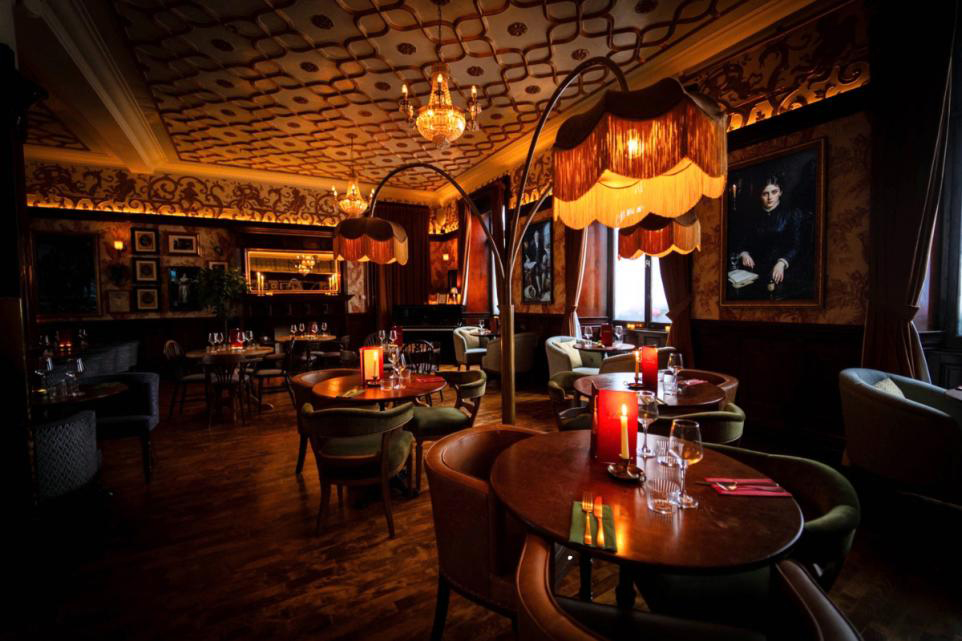
Sloans, one of Glasgow’s oldest hospitality establishments, has launched a £500,000 immersive dining experience, introducing theatrical storytelling, interactive dining and heritage-inspired design within its historic premises.
The Merchant’s at Sloans officially opened on 2 October, occupying the entire first floor of the venue, which dates back to 1797. The development forms part of continued investment in the historic property, introducing an experiential hospitality concept designed around Glasgow’s cultural heritage.
For hospitality operators, experience designers and themed entertainment developers, the project demonstrates how established venues can incorporate immersive environments and narrative-led experiences into existing food and beverage operations.
The new concept draws upon the building’s history and notable Glasgow personalities, using theatrical features and interactive elements to create a distinctive hospitality environment.
Heritage Storytelling Shapes The Interior Design
Glasgow-based interior design company Surface-ID led the design of The Merchant’s, developing three interconnected spaces that support different hospitality functions.
The grand dining room accommodates extended dining experiences, while The Snug provides a smaller setting for drinks. A dedicated private dining room introduces additional opportunities for exclusive events and group hospitality.
Throughout the venue, storytelling elements reference Glasgow’s cultural and social history. Portraits depicting notable Glaswegians appear to come alive, while a grand piano features a supernatural character intended to contribute to the venue’s theatrical atmosphere.
The interiors combine historical references with contemporary experiential design, demonstrating how existing architectural character can inform themed hospitality concepts.
Additional interactive features include vintage clothing and accessories, supported by an on-site photographer. This participatory component extends the experience beyond conventional restaurant service.
Tableside Theatre Becomes Part Of The Dining Experience
Food and beverage presentation plays a central role in the venue’s experiential approach, with theatrical service incorporated into a menu inspired by Scottish cuisine.
The concept includes tableside preparation and personalised presentation, positioning food service as part of the overall entertainment programme.
A central feature is The Merchant’s Mac, a new interpretation of Sloans’ established macaroni cheese offering. Presented using a dedicated trolley, the dish incorporates interactive topping selections and tableside finishing.





Other menu elements include traditional Scottish dishes presented through distinctive serving formats, alongside desserts incorporating live preparation techniques.
The Johnnie Walker crème brûlée, finished using a flame at the table, provides another example of hospitality service being integrated into the theatrical concept.
The venue also features The Cabinet, a concealed cocktail area where drinks take inspiration from Glasgow’s historical figures and local stories.
Investment Builds On More Than Two Centuries Of Hospitality Heritage
Originally established as a coffee house in Morrison’s Court in 1797, Sloans underwent significant development in 1899 under David Sloan, becoming Sloans Arcade Café.
The property’s Grand Ballroom remains a prominent feature of its historical identity.
Since acquiring the business in 2006, owner Oli Norman has invested millions in maintaining and developing the venue, which continues to operate as a destination for dining, weddings and cultural events.
The latest £500,000 investment reflects an approach centred on introducing new experiential offerings while retaining the property’s established character.
Implications For Experiential Hospitality And Attraction Operators
The Merchant’s at Sloans provides a relevant example of how historic hospitality properties can integrate themed environments, theatrical service and interactive storytelling.
For operators developing immersive restaurants, heritage attractions and experience-led venues, the project highlights opportunities to use local history as a foundation for differentiated hospitality concepts.
Its combination of interior design, participatory features and performance-led dining demonstrates how established venues can introduce additional experiential value while maintaining their original hospitality functions.


