
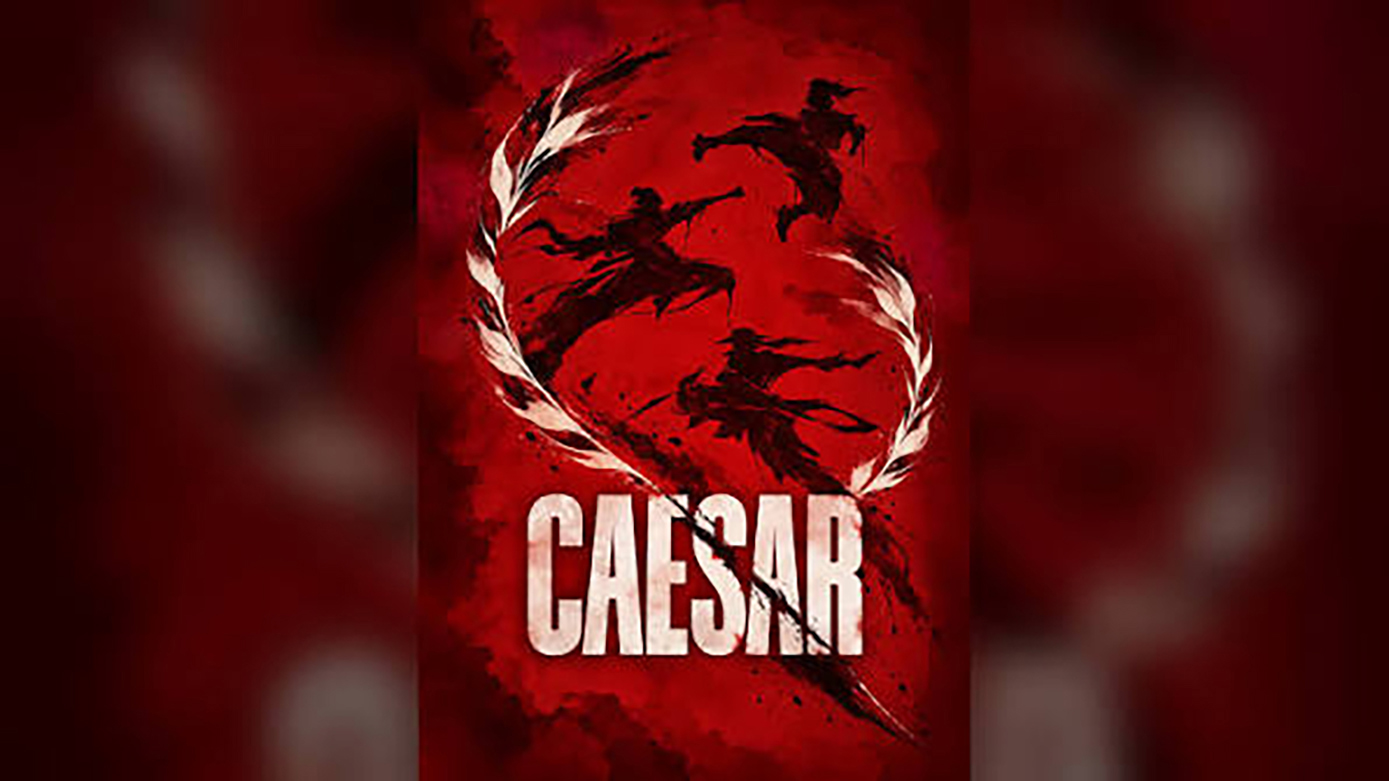
Sleepwalk Immersive is partnering with Hoxton Hall to present CAESAR, a four-week immersive theatre production scheduled for early 2027. The London project will reinterpret the assassination of Julius Caesar through a fictional criminal underworld inspired by 1940s Chinatown, drawing on both historical accounts and Shakespeare’s play.
Taking place across four floors of Hoxton Hall, the production will replace a conventional, fixed viewing arrangement with a freely explored performance environment. Audiences will be able to move between scenes, encounter performers at close range and follow different characters as the political conspiracy develops.
For theatre producers, venue operators and experience designers, the announcement provides an example of how an established dramatic text can be adapted for spatial storytelling, with audience movement forming part of the narrative structure.
A Multi-Level Approach To Narrative Design
The story begins with Caesar returning victorious to Rome, as a celebration gives way to suspicion among his closest associates. Rather than presenting the events from one viewpoint, CAESAR will allow participants to track the conspirators, remain near Caesar or move between competing groups.
This structure makes the distribution of scenes across the building central to the production. Different routes may expose audiences to different conversations and developments, creating varied understandings of the same events.
The format also accommodates different levels of participation. Some attendees may engage directly with characters and situations, while others can observe the action without taking an active role. This flexibility is significant for experience teams considering how interactive performance can remain accessible to people with different preferences for engagement.
Hoxton Hall As A Performance Environment
The four-floor setting gives Sleepwalk Immersive an opportunity to use the venue as an interconnected fictional setting rather than a conventional stage. The proposed 1940s Chinatown backdrop provides a distinct visual and social context for the play’s themes of authority, allegiance and betrayal.





For production designers and technical teams, a roaming format of this kind raises practical considerations around sightlines, scene timing, performer circulation and the relationship between sound, lighting and audience movement. Maintaining narrative coherence when groups follow different routes is another important design challenge.
The announcement does not yet specify the technical systems, scenic arrangements or audience capacity for CAESAR. Those details will be relevant to assessing how the creative concept is delivered across the venue’s multiple levels.
A Continuing Relationship With Hoxton Hall
Sleepwalk Immersive founder Sebastian Huang has connected the new production to the company’s earlier work at Hoxton Hall. Its previous production, Bacchanalia, began as a solo performance, making the return with a larger, multi-floor concept a notable development in the company’s approach.
Huang has described the intention behind CAESAR as creating a fictional environment that appears to continue beyond any individual scene. The production will use close encounters and alternative routes to give participants a personal perspective on the central conflict.
Implications For Immersive Theatre Production
The planned co-production highlights the growing creative possibilities of adapting established literary material for non-linear, site-responsive theatre. It also demonstrates the importance of collaboration between creative companies and venues when the building itself becomes part of the storytelling.
For operators and suppliers, CAESAR will be a project to watch as further production information emerges ahead of its early 2027 run.


