
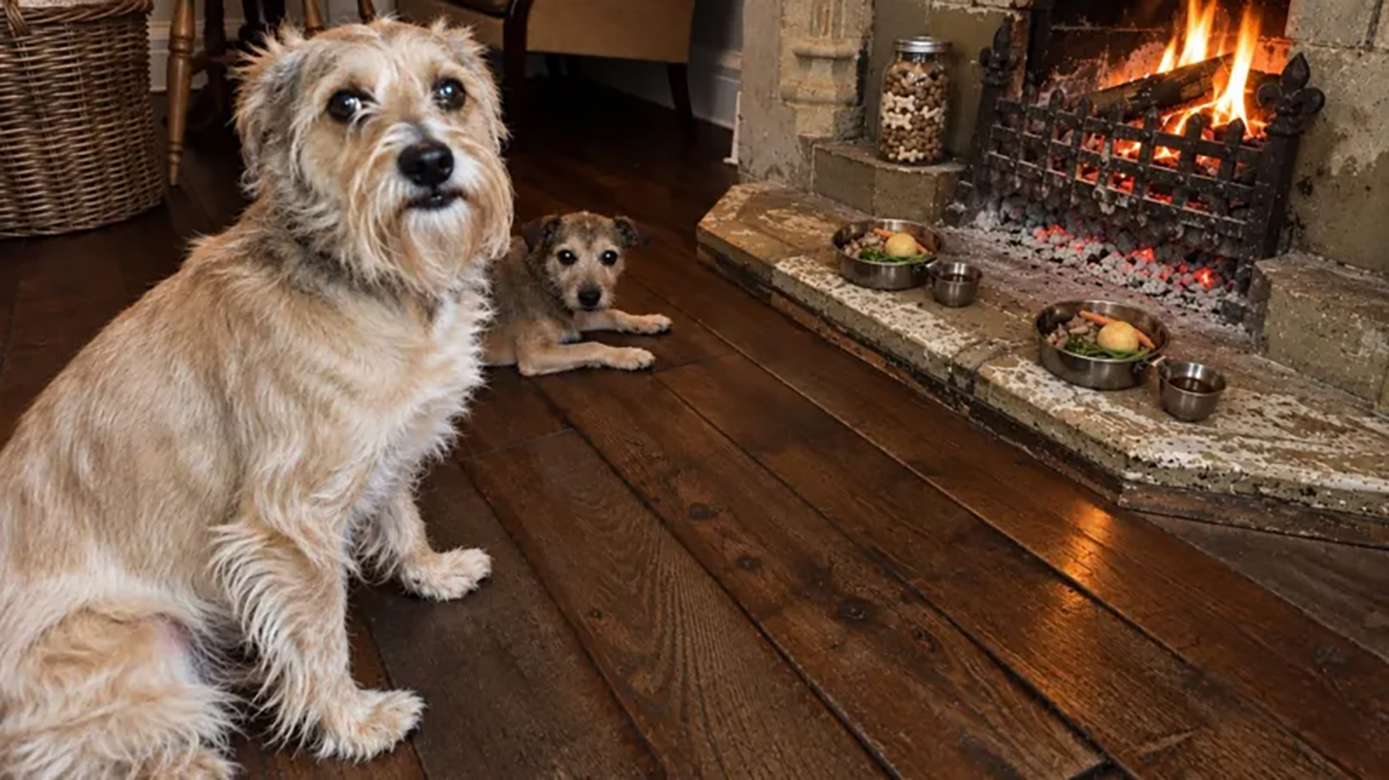
The growing demand for pet-focused experiences is creating new commercial opportunities across the UK hospitality, leisure and events sectors, as businesses introduce specialist services catering to the relationship between owners and their dogs.
From dedicated canine dining menus and themed celebrations to professional wedding chaperones, operators are incorporating pet-friendly services into established business models. The trend reflects changing consumer expectations, with pet ownership increasingly influencing decisions about dining, events and leisure activities.
According to MoneySuperMarket, UK expenditure on pets and related products increased from £2.9 billion in 1997 to £11.95 billion in 2025. This growth highlights the commercial significance of the pet sector and the potential for experience-led businesses to develop additional revenue streams.
Social Media Influences Demand for Premium Pet Services
Dr Stelina Kanaki, Senior Lecturer in Marketing at the University of the West of England, identifies social media as an important influence on spending patterns.
Online exposure to specialist services, including professional pet photography, celebrations and premium hospitality, has increased awareness of available experiences. Kanaki also points to social comparison and the fear of missing out as factors encouraging expenditure.
The broader experience economy is another contributing factor, with consumers increasingly prioritising memorable activities over conventional purchases.
For attraction operators and hospitality businesses, this creates opportunities to incorporate pet-related experiences into existing services, potentially supporting customer retention and differentiation in competitive markets.
Wedding and Events Industry Responds to Demand
The wedding sector is experiencing growing demand for specialist pet services, particularly those allowing dogs to participate in ceremonies and celebrations.
Together Furever Weddings, established in Weston-super-Mare by Helen Barber and her husband in 2022, provides wedding chauffeur and chaperone services for dogs.
Barber reports increasing demand for the business, which has already supported over 70 weddings this year. She also notes substantial growth in the number of comparable providers, reflecting greater acceptance of pets at wedding venues.
For event planners and venue operators, specialist pet services introduce additional considerations around supplier coordination, animal welfare, venue policies and event logistics.





Partnerships with professional chaperone providers may offer a practical way to accommodate demand without placing additional responsibilities on existing event teams.
Hospitality Operators Introduce Dedicated Canine Dining
Restaurants and pubs are also developing dedicated pet-focused offerings to attract customers seeking shared dining experiences.
The Amberley Inn in Stroud has introduced dog-friendly roast dinners featuring meat, vegetables and specially formulated gravy.
Rachel Morgan, representing the venue, associates growing demand with changing attitudes following the pandemic, when many owners developed closer relationships with their pets.
The business is also organising Santa Paws, a seasonal event combining refreshments, group dog walks, dining and themed activities.
Such programming demonstrates how hospitality operators can extend existing services through targeted events, potentially generating additional bookings and seasonal revenue.
Commercial Potential for Visitor Attractions and Leisure Venues
Wiltshire-based dog walking business Potters Tails has similarly identified increased interest in pet-focused activities, with social media contributing to awareness of specialist services.
For visitor attractions, outdoor destinations and event venues, the trend presents opportunities to explore dog-friendly programming, themed events and partnerships with specialist providers.
However, successful implementation requires consideration of hygiene standards, accessibility, operational capacity and the needs of customers without pets.
As spending on pet-related experiences continues to attract business interest, operators able to balance commercial opportunities with practical venue management may find new ways to diversify their offerings and strengthen customer engagement.


