
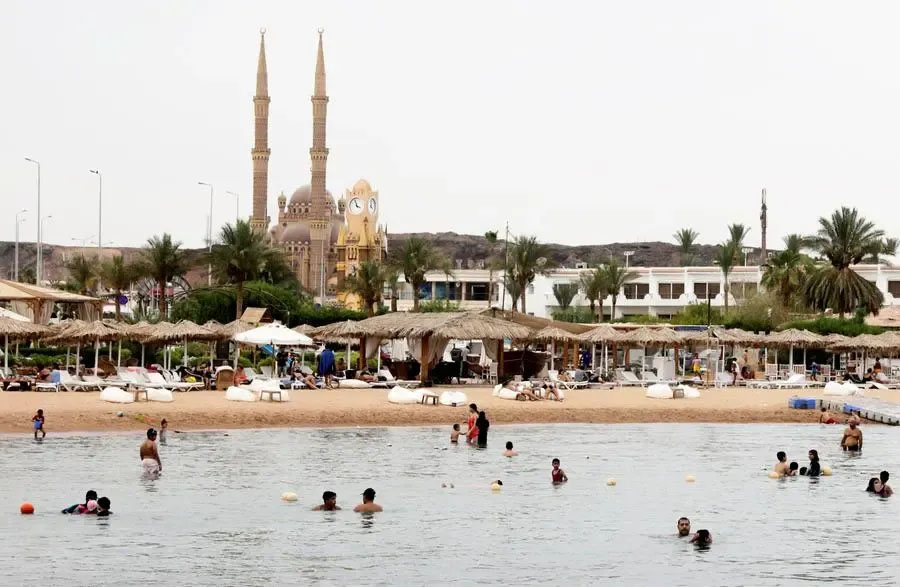
Qatari Diar is reportedly set to receive 29 million sq m of land in Hurghada on Egypt’s Red Sea coast, clearing the way for work to begin on a long-term integrated tourism project.
According to a report citing unnamed sources, the land handover is expected to take place this week, with the first phase planned for launch before the end of 2026. The project is expected to be delivered across a 20-year period, placing it among the region’s large-scale tourism and real estate programmes.
For companies working across hospitality design, destination planning, attractions, placemaking, leisure operations and public realm delivery, the reported handover signals a significant future pipeline in one of Egypt’s most established coastal tourism areas.
Qatari Diar, the real estate arm of the Qatar Investment Authority, is understood to be considering partnership offers from Egyptian and Gulf developers. This points to a multi-party delivery model, which may create scope for hospitality brands, leisure operators, consultants, infrastructure partners and specialist suppliers as the scheme progresses.
Scale Creates Long-Term Tourism Potential
The 29 million sq m site gives Qatari Diar substantial room to plan a mixed tourism district with phased delivery, multiple asset classes and supporting infrastructure.
Although full details of the Hurghada masterplan have not yet been disclosed, the scale of the land allocation suggests a project that could support hotels, serviced residences, leisure zones, public spaces, food and beverage areas, retail, marine activity and wider destination services.
For B2B operators, phased projects of this size are significant because they create demand across several workstreams. Early phases typically focus on masterplanning, enabling works, utilities, access, coastal planning and anchor hospitality components. Later stages can bring additional requirements in visitor attractions, family entertainment, wellness, cultural programming, guest transport, operations planning and branded experiences.
The 20-year timeline also allows the project to respond to market conditions over time. For developers, this can support staged investment and risk management. For suppliers and operators, it may open a longer procurement cycle across design, fit-out, technology, operations and content.




Regional Partnerships May Shape Delivery
Partnership interest from Egyptian and Gulf developers could play an important role in the project’s execution. Large coastal destinations require capital, market knowledge and operational experience, particularly where hospitality, residential and leisure uses are planned together.
For Egypt, the reported project adds to wider efforts to attract large-scale tourism investment and expand high-quality coastal supply. Hurghada already has strong recognition as a Red Sea destination, supported by beach tourism, diving activity and resort infrastructure. A new integrated project backed by Qatari Diar could add further capacity and raise demand for international design and visitor experience expertise.
The project may also strengthen connections between Gulf capital and Egyptian tourism development. This is relevant for companies across the Experience UK network, particularly those seeking roles in masterplanning, attractions development, interpretation, AV, themed environments, guest experience strategy and resort operations.
Wider Qatari Diar Activity In Egypt
The Hurghada project follows other activity by Qatari Diar in Egypt. In July, the developer appointed Skidmore, Owings & Merrill as master planner for Alam Al Roum, a $30 billion development on Egypt’s North Coast.
Taken together, these moves suggest a broader Egyptian growth strategy across coastal tourism and real estate. For the visitor economy supply chain, this may lead to greater demand for specialist international input across design, feasibility, technical delivery and operational strategy.
Relevance For Visitor Experience Businesses
Qatari Diar’s reported Red Sea project is still at an early stage, but its scale and planned timeline make it relevant to the global visitor experience sector.
As work moves towards first-phase launch, the project will be watched by hotel groups, attraction designers, leisure consultants, cultural planners, technology providers and destination operators. Its progress could create a substantial long-term platform for tourism infrastructure, guest experience planning and coastal leisure development in Egypt.


