
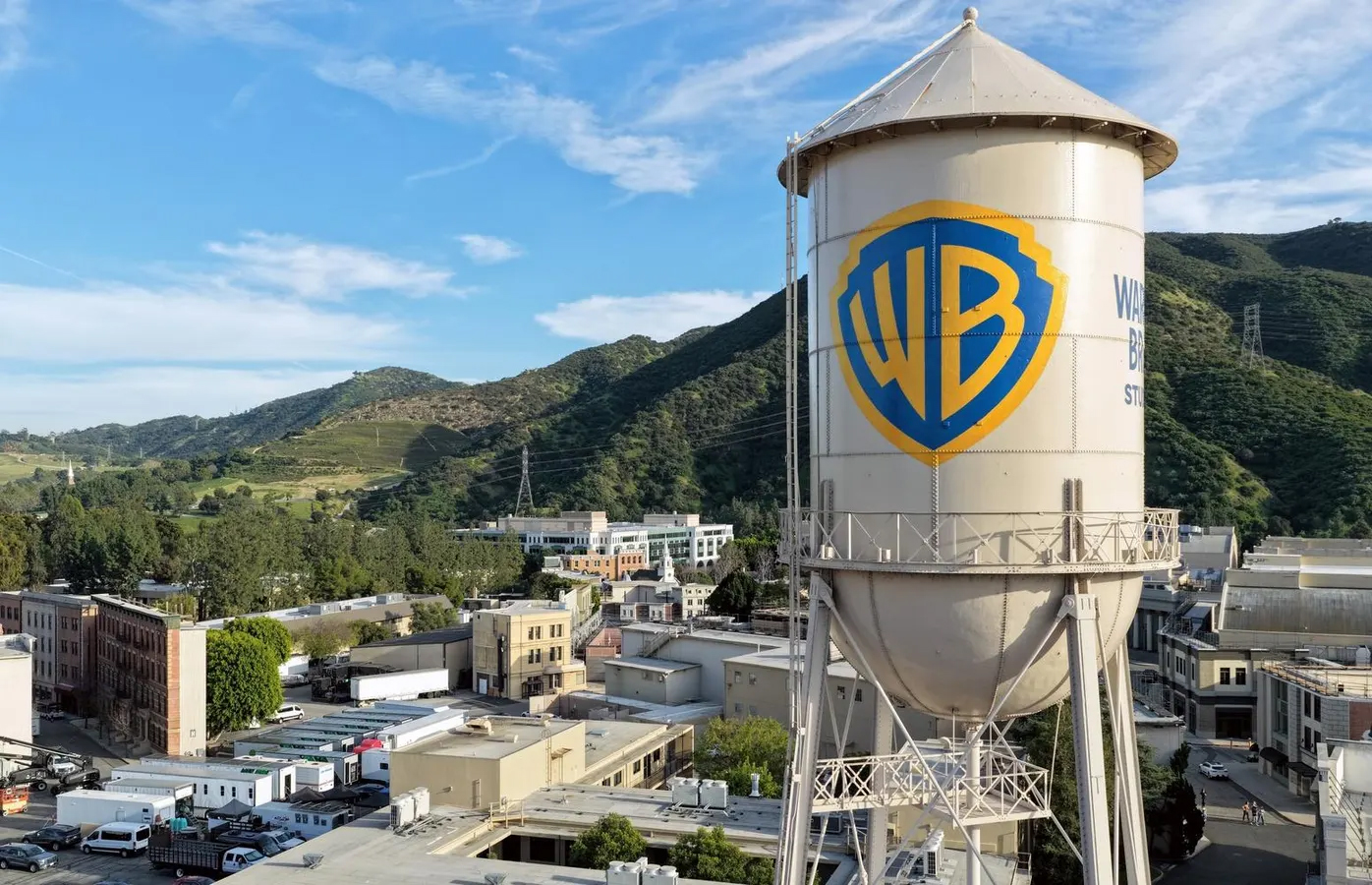
Paramount’s acquisition of Warner Bros. Discovery, valued at approximately $111 billion, has created a significant new force in the global themed entertainment industry, combining extensive intellectual property portfolios with established attraction licensing operations.
Completed on 6 October 2026, following federal court approval, the transaction brings franchises including Harry Potter, DC Comics, Star Trek, Mission: Impossible and Top Gun under the newly formed Skydance organisation.
While the merger has attracted considerable attention across film and television, its implications extend into theme parks, location-based entertainment and immersive attractions.
For attraction developers, creative studios and leisure operators, the consolidation introduces opportunities for intellectual property licensing, themed destination development and international partnerships.
Warner Bros. Brings Established Theme Park Infrastructure
Warner Bros. enters the combined organisation with an extensive history in themed entertainment, including longstanding licensing agreements with Six Flags and international attractions operating under the Warner Bros. brand.
Its portfolio includes Warner Bros. Movie World in Australia, Parque Warner Madrid and Warner Bros. World Abu Dhabi, alongside studio tours and touring entertainment experiences.
The Warner Bros. Studio Tour London, developed with experiential design specialist Thinkwell, demonstrates the commercial potential of converting established film production assets into permanent visitor attractions.
The Harry Potter franchise remains particularly significant, supporting themed environments at Universal destinations, international studio tours and temporary immersive exhibitions.
These established operations provide the combined business with experience in licensing, attraction development and partnerships with specialist operators.
Yas Island Presents Potential For Further Development
Warner Bros. World Abu Dhabi represents one of the company’s most substantial themed entertainment partnerships.
Owned and operated by Miral, the indoor theme park incorporates detailed environments inspired by DC superheroes, Looney Tunes and other Warner Bros. properties.
The destination is undergoing further expansion, with three Harry Potter-themed lands planned around Hogwarts, Diagon Alley and the Forbidden Forest. Construction is targeted for completion in 2029.
The additions will cover approximately 63,000 square metres, significantly increasing the park’s capacity for franchise-based experiences.




Yas Island already accommodates Ferrari World, SeaWorld Abu Dhabi and Yas Waterworld, with further entertainment developments planned.
Paramount’s inclusion within the wider corporate structure creates potential for additional partnerships in the region, although no Paramount-branded theme park development has been formally confirmed.
Paramount Intellectual Property Offers Untapped Attraction Potential
Unlike Warner Bros., Paramount currently has a limited presence in permanent theme park operations, having sold its former regional park portfolio to Cedar Fair in 2006.
However, its intellectual property includes several franchises with potential applications in themed entertainment.
Top Gun, Star Trek and Mission: Impossible offer opportunities for ride systems, immersive environments and interactive experiences.
Paramount’s Nickelodeon properties also provide established licensing opportunities across family entertainment centres, resorts and water parks.
The planned Top Gun attraction in Las Vegas represents another example of the studio’s growing interest in location-based entertainment.
Implications For Global Attraction Developers
The merger creates opportunities for suppliers specialising in themed environments, media production, attraction technology and experiential design.
Dave Cobb, Paramount Global Experiences’ creative executive and a former Thinkwell designer involved in Warner Bros. World Abu Dhabi, brings considerable experience in developing major attractions.
However, existing licensing agreements and territorial restrictions will remain important considerations for future projects.
For the wider themed entertainment sector, the combined portfolio could support new developments through partnerships with established operators, potentially increasing competition within the international attractions market.


