
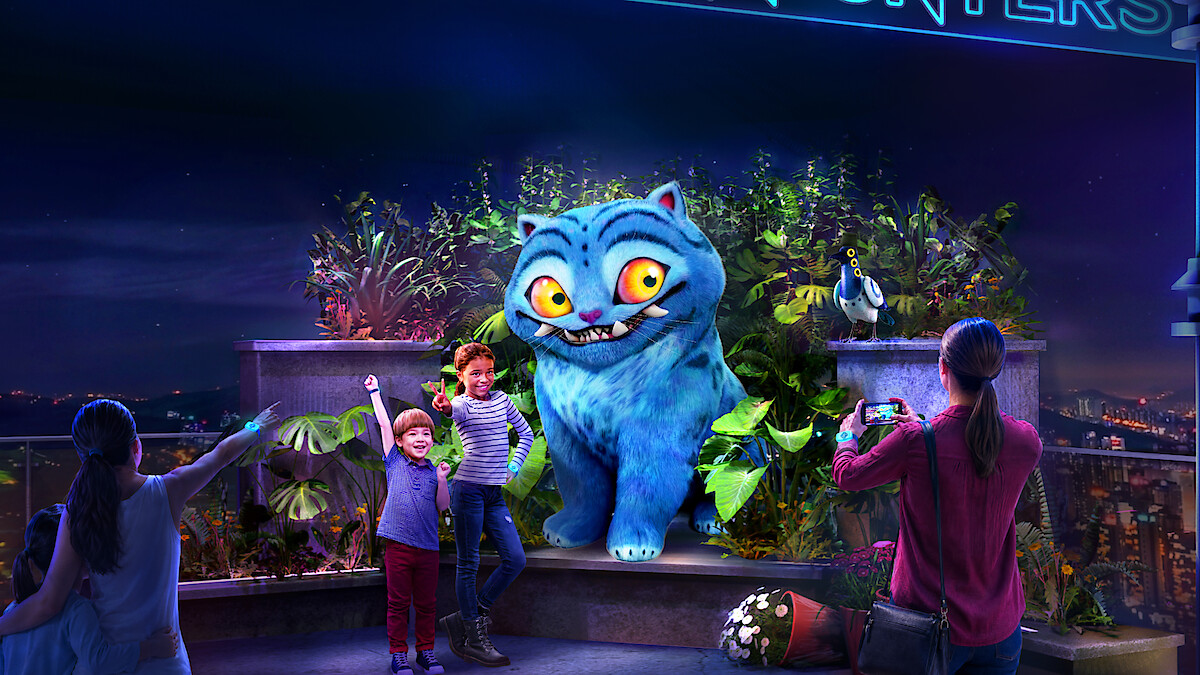
Netflix is bringing KPop Demon Hunters into its location-based entertainment portfolio with a new interactive experience opening at Netflix House Dallas and Netflix House Philadelphia in November.
KPop Demon Hunters: The Immersive Experience will open on 12 November at Netflix House Dallas, located at Galleria Dallas, followed by Netflix House Philadelphia at King of Prussia Mall on 20 November. The attraction is based on the animated film that premiered on Netflix in June 2025 and has built strong fan interest around its characters, music and visual identity.
For visitor experience operators, the launch underlines Netflix’s growing focus on permanent fan destinations. Rather than relying on short-run promotional activity, Netflix House provides a year-round setting where screen properties can be converted into ticketed attractions, retail, dining and live interaction.
Music-Led Storytelling Drives The Format
The experience places guests within the world of HUNTR/X, beginning backstage before the group’s latest tour performance. The story then introduces a disruption from Gwi-Ma, leading guests into a mission to restore the Honmoon and confront demons across a neon Seoul-inspired setting.
The production will use interactive sets, screens, 3D technology, live actors and custom animation. Music is central to the format, with songs from the film’s soundtrack, including How It’s Done, Soda Pop and Golden, forming part of the activity.
For attraction designers and IP owners, the structure is notable because it uses music as both narrative driver and participation tool. This can support repeat appeal, fan identification and group engagement, while allowing the attraction to move between performance, play and story-based tasks.
Netflix’s marketing leadership has positioned the project as a response to fan demand for deeper engagement with the property, extending the film into a physical setting where sound, character interaction and themed environments can be experienced directly.
Character Interaction Adds Production Value
A major feature of the attraction is the introduction of Derpy Tiger and Sussie Bird in a live setting. Derpy Tiger has been brought to life through puppetry developed with Jim Henson’s Creature Shop, giving the character a physical presence beyond screen content.



For operators, this adds significant value. High-quality puppetry can provide a memorable character encounter while supporting photo moments, social sharing and merchandise interest. It also gives Netflix House a differentiated live element that goes beyond projection-led or screen-only formats.
Both locations will also include themed photo opportunities, new merchandise and food and beverage linked to the property. These supporting elements broaden the revenue model and give the experience a stronger role within the wider Netflix House visit.
Ticketing Model Supports Multiple Spend Levels
Ticket sales open in phases, beginning with Mastercard credit cardholder access on 22 September, followed by Netflix member presale on 29 September and public sales on 1 October. General admission starts at $39, with children’s tickets for ages three to 12 starting at $34.
A VIP package will also be offered, starting at $89 from Monday to Thursday and $99 from Friday to Sunday. This includes same-day access to the Netflix House VIP Lounge, priority entry to the KPop Demon Hunters attraction during operating hours and a themed gift while stocks remain available.
For location-based entertainment businesses, the model shows how tiered ticketing can support yield management. The VIP offer links access, comfort and collectability, while the standard ticket keeps the main experience accessible to a broader audience.
Lessons For IP-Based Attractions
KPop Demon Hunters: The Immersive Experience demonstrates how streaming platforms can extend successful screen properties into physical destinations with clear commercial layers. The format combines story, music, live performance, character design, merchandise and food and beverage within a mall-based leisure setting.
For developers, operators and brand owners, the project offers a useful example of how new IP can move quickly from digital release to in-person fan engagement. It also highlights the importance of production partners, character realisation and venue infrastructure when building repeatable experiences across multiple locations.


