
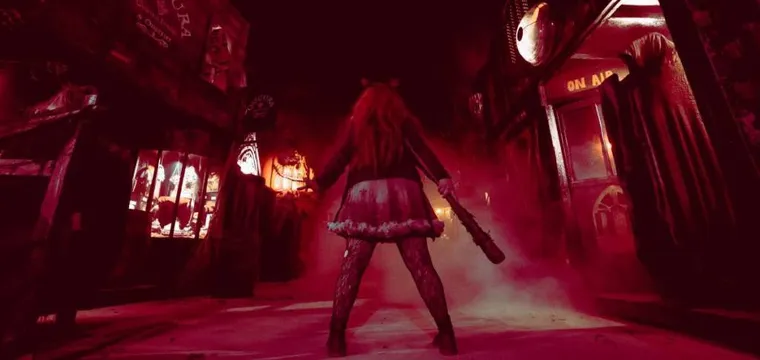
One of Europe’s largest immersive horror attractions is preparing to launch in London for the first time, adding a major seasonal production to the capital’s autumn visitor experience calendar.
The Irish scream park, which has operated for 17 years, will take over the Grade II-listed Avery Hill mansion in Greenwich from 9 October to 1 November. The limited 18-night run will see the historic site adapted into a large-scale horror environment, using live performance, themed sets and story-led interaction to support a high-intensity Halloween offer.
For operators, designers and suppliers across the visitor attractions sector, the project underlines the strength of seasonal immersive formats. Halloween programming continues to provide strong commercial opportunities for venues able to combine theatrical production, timed admission, crowd management and premium event positioning.
The London debut also gives the attraction a new market following long-term success in Ireland, where it has welcomed visitors from over 60 countries and attracted attention from entertainment figures including Megan Fox, Emma Myers and members of the Hamilton cast.
Temporary Use Of A Heritage Setting
The use of Avery Hill mansion is a key part of the London production’s positioning. The Grade II-listed building provides architectural character and a strong narrative setting, allowing the operator to build a fictional asylum concept around an existing historic environment.
For attraction producers, this type of temporary occupation can create commercial value without requiring a permanent venue model. It also presents operational challenges, particularly around access, safety, conservation requirements, installation schedules and removal after the run ends.
The project demonstrates how heritage properties can support short-term cultural and entertainment activity when production planning is aligned with site constraints. For owners of historic estates and public assets, the model can provide seasonal income, audience development and wider visibility, provided that asset protection and visitor flow are carefully managed.
The attraction will include two new cinematic horror experiences developed for the London run. These are expected to combine staged environments, live scares and narrative sequences designed for timed audience groups.
Live Performance At Operational Scale


More than 70 live performers will be involved in the production, making staffing, training and show control central to delivery. Large scare attractions rely on carefully choreographed guest movement, performer timing, backstage routes, lighting, sound and reset points to maintain consistency across multiple admissions each night.
For the wider experience economy, the project highlights the continuing demand for actor-led immersive formats, despite the growth of digital and screen-based experiences. Physical proximity, unpredictability and responsive performance remain central to horror attractions, particularly when combined with strong environmental design.
The inclusion of a themed Halloween village adds another operational layer. This area will host live story moments around visitors, broadening the offer beyond linear scare routes and allowing the site to support dwell time, ancillary spend and atmosphere between core attraction elements.
Strategic Value For The Halloween Market
The London launch reflects growing confidence in ticketed seasonal attractions that combine theatre, themed entertainment and event-style marketing. A short operating window can create urgency, while strong production values help position the event for group bookings, repeat attendance and media attention.
For B2B audiences, the project is notable for its market entry strategy. Rather than launching as a year-round attraction, the operator is using a proven Halloween format, a recognisable historic venue and a tightly defined run to test London demand.
Its arrival also adds competitive weight to the UK’s immersive horror sector, giving experience designers, venue owners and city destination managers another example of how seasonal productions can drive footfall, activate unusual sites and strengthen the visitor economy during autumn shoulder periods.


