
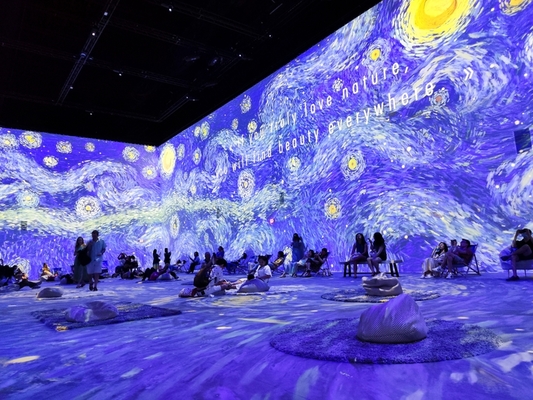
The global market for immersive attraction design services is projected to experience robust growth between 2025 and 2032. With increasing demand for interactive and experiential attractions across theme parks, museums, zoos, and tourist destinations, key players in the industry are investing heavily in new technologies and design strategies to stay competitive.
According to recent industry research, the sector is being shaped by emerging trends in digital integration, sensory-driven experiences, and interactive storytelling. As consumers seek more engaging and personalised experiences, attraction developers incorporate advanced technology, augmented reality, and customisable interactions to enhance visitor engagement.
Market Dynamics and Key Growth Drivers
Multiple factors are driving the expansion of immersive attraction design services. Advances in digital projection, virtual reality, and AI-powered interactivity are reshaping how audiences experience attractions. The increasing use of data-driven design and personalisation is further influencing investment decisions within the sector.
Additionally, consumer expectations have shifted towards experiences that combine entertainment with education, social engagement, and multi-sensory environments. This shift has encouraged the development of diverse attraction formats, from fully immersive theme park lands to interactive museum exhibits.
The market is segmented into three primary experience categories: story-driven, sensory, and interactive. Major design firms such as Falcon’s Beyond, KCC Entertainment Design, and Storyland Studios are investing in each category. These firms are working with attraction operators to develop new visitor experiences that prioritise immersion and engagement.
Regional and Industry Trends
North America, Europe, and Asia-Pacific are geographically leading the way in immersive attraction investments. The expansion of large-scale themed experiences in the United States and the ongoing development of high-tech attractions in Asia-Pacific, particularly in China and Japan, contribute to strong market growth. Meanwhile, European attractions increasingly integrate cultural and historical themes with cutting-edge immersive design, catering to domestic and international audiences.
Museums, zoos, and aquariums also embrace immersive technologies to enhance visitor engagement. Institutions leverage interactive storytelling and digital installations to create more compelling narratives that resonate with modern audiences.



In addition, the regulatory landscape and evolving safety standards influence design and operation strategies, particularly in markets where interactive experiences require compliance with strict operational guidelines.
Competitive Landscape and Future Outlook
The competitive environment is intensifying as more companies enter the market with specialised offerings. Established firms such as Holovis, Framestore, and PGAV Destinations are leveraging their expertise in media-driven attractions while emerging players are focusing on innovative, scalable solutions for smaller venues.
The introduction of advanced AI, projection mapping, and immersive audio-visual effects is expected to drive innovation in the sector further. Companies that can successfully integrate these elements while maintaining operational efficiency and visitor satisfaction will be well-positioned for growth.
Looking ahead, the immersive attraction design services market is set for sustained expansion, with new opportunities emerging in areas such as location-based entertainment, branded experiences, and interactive exhibitions. Industry stakeholders will need to remain agile, adapting to technological advancements and shifting consumer preferences to capitalise on the sector’s evolving landscape. You can request a sample of the report here.


