
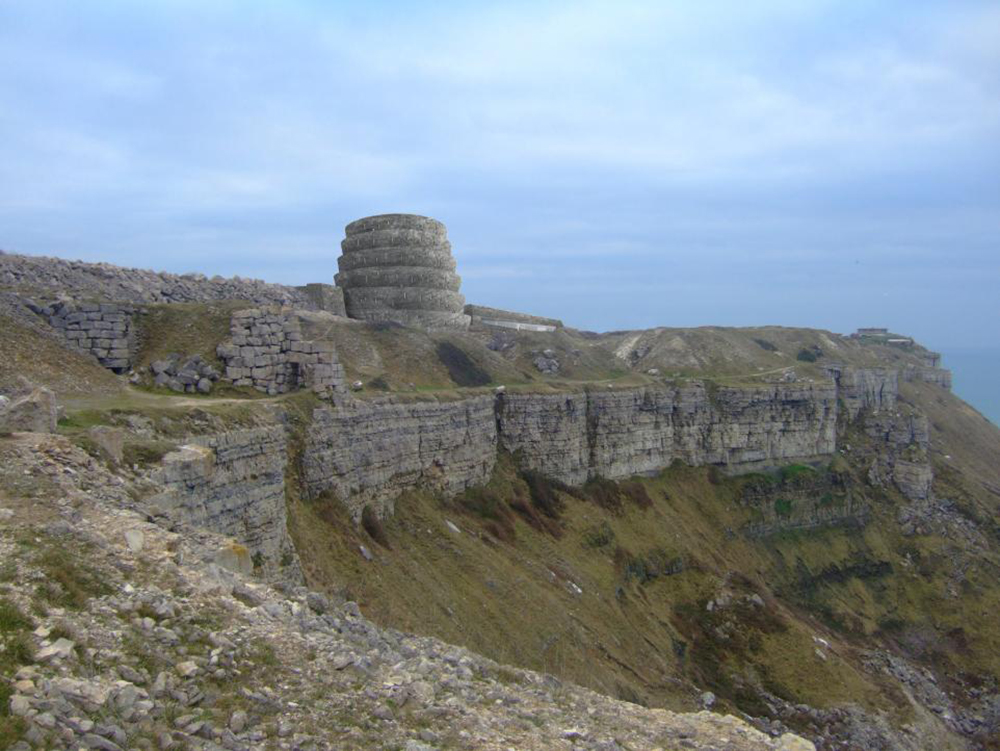
Dorset Council has confirmed that progress is continuing on the proposed £32m MEMO visitor attraction on Portland, with discussions underway between the project team and government officials on the scheme’s next phase.
The council is working with MEMO and the Department for Business and Trade following the announcement of £20m in government support earlier this year. While a detailed schedule has not yet been published, the authority has indicated that a programme of activity could be agreed soon, setting out how the project moves forward.
The proposed attraction would bring new use to the former Jordans mine and Bowers Quarry, creating a visitor, education and research destination focused on biodiversity, planetary history and the geology of the Jurassic Coast. For attraction developers, heritage consultants and destination bodies, the project remains one of the more ambitious visitor economy proposals in the South West.
Immersive Interpretation And Site Reuse
MEMO Portland has been developed around the reuse of a highly distinctive quarry and mine setting. The concept includes converting the former mine into an immersive multimedia space, allowing interpretation to take place within an environment directly linked to Portland’s geological story.
Plans have also referenced a new “cathedral building” above the cliff known as the Beacon. This element suggests a scheme designed to combine architecture, science communication, education and environmental storytelling at scale.
For the visitor experience sector, the project highlights the growing role of adaptive reuse in attraction development. Former industrial and extraction sites can offer powerful physical settings, but they also bring complex delivery requirements. Access, safety, conservation, construction logistics, environmental impact and long-term operating costs all need careful planning from the earliest stages.
Economic Potential And Delivery Considerations
The MEMO team has previously estimated that the attraction could attract around 350,000 visitors a year once operational. Backers have also suggested the scheme could create 100 full-time roles and support a further 500 indirect jobs, with potential benefits for hospitality, tourism and creative businesses across Weymouth and Portland.




This economic case will be important as the project team seeks additional funding from donors and investors to sit alongside the £20m government allocation. For funders and delivery partners, the next stage is likely to focus on project phasing, capital cost control, operating forecasts, partnership structures and the scale of private or philanthropic investment required.
The scheme also carries strategic value for Dorset’s wider visitor economy. A year-round attraction with educational and research functions could broaden the area’s cultural infrastructure and create new opportunities for schools, universities, tourism operators and science communication specialists.
Transport Pressures Remain A Key Issue
Alongside the project’s potential, transport and access concerns remain a significant consideration. Portland Beach Road already experiences pressure during busy periods, and any high-capacity attraction will require robust planning around traffic, public transport, coach access, parking, active travel and local movement patterns.
For attraction operators and local authorities, MEMO illustrates the importance of aligning visitor demand forecasts with infrastructure planning. Strong content and destination appeal must be matched by practical access solutions that support local residents, businesses and visitors.
MEMO brings together earlier ambitions for a major Portland attraction, including the Jurassica geological park concept. The current project also has high-profile support, with Eden Project founder Sir Tim Smit involved as a trustee and partners including Albion Stone, the Crown Estate and the Churches Conservation Trust.
As Dorset Council, MEMO and government officials work towards an agreed activity schedule, the scheme remains a closely watched proposal for the UK attractions sector.


