
China’s retail sector is seeing growing interest in experience-led destinations, as developers, operators and brand teams rethink how commercial spaces can support longer visits, cultural engagement and leisure activity.
Across several regions, new retail formats are moving beyond conventional shopping models. Tea houses inside former cinemas, indoor gardens within commercial schemes, themed night events and festival-style programmes are helping landlords and operators create places that combine retail, hospitality, entertainment and local identity.
For companies working in visitor experience, destination design, placemaking and attraction operations, the trend offers useful insight into how retail schemes can compete for time, attention and repeat visits. It also reflects a wider industry shift in which commercial value is increasingly linked to dwell time, emotional connection and programme variety.
Chongqing Project Shows Value Of Niche Retail
At the Sino-Swiss Technological Innovation Park in Chongqing, the rooftop commercial cluster aa market brings together independent brands, specialist restaurants and indoor wellbeing gardens. The scheme uses industrial design influences and a slower-paced retail setting to create a destination that differs from traditional mall environments.
The model is significant for mixed-use developers because it shows how smaller, focused businesses can add character to a commercial scheme. Project management has pointed to single-category stores as a growing draw for specialist customer groups, with focused retail concepts expected to play a larger role in future consumption patterns.
For B2B stakeholders, this suggests that tenant mix is becoming as important as architecture or location. A retail project built around independent food, niche goods, flexible leisure and social spaces can support a stronger sense of place than a scheme led only by standard retail units.
The inclusion of indoor gardens also shows the operational value of quieter spaces within commercial destinations. These areas can support longer stays, informal social use and hospitality spend, giving operators fresh ways to structure visitor flow throughout the day.
Cultural Programming Adds Night-Time Value
Experience-led retail is also expanding through cultural and event programming. In Gaomi, Shandong province, Red Sorghum Town uses its connection with Zhang Yimou’s film Red Sorghum as the basis for themed night activity. The offer includes performances, interactive elements and local cultural content.



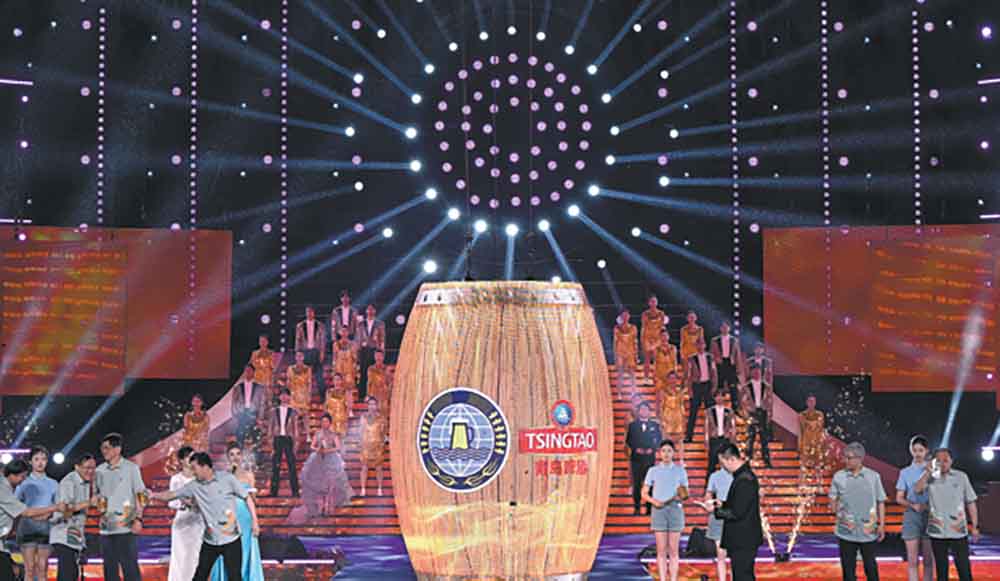
Nearby, the Qingdao International Beer Festival shows how large-scale events can encourage visitors to design their own routes through multiple activities. This type of programming shifts audiences from observation to participation, which can increase time on site and support spending across food, drink, entertainment and retail outlets.
For destination operators, the lesson is clear: commercial projects can gain value when they are planned as programmable environments rather than fixed retail centres. Night-time events, cultural references and flexible activity zones can help schemes attract different user groups at different times.
Adaptive Reuse Supports Local Identity
Historic buildings are also becoming important assets within China’s experience-led retail growth. In Chongqing, Jiangling Teahouse has been created inside a former 1950s cinema once linked to a state-owned factory. The project retains the building’s original structure while introducing traditional tea culture.
The venue has attracted strong use from older residents, including former factory workers and their families, while also drawing younger audiences and visitors. This cross-generational reach is valuable for operators seeking to build social relevance around adaptive reuse projects.
For developers and cultural consultants, Jiangling Teahouse shows how memory, architecture and everyday leisure can support commercial renewal. Rather than treating ageing buildings as obstacles, operators can position them as assets with built-in local meaning.
Lessons For Retail And Visitor Experience Teams
China’s emerging experiential retail models point to a future in which commercial destinations are judged by the quality of the visit as much as by sales space. For retail landlords, attractions specialists, hospitality groups and urban planners, the opportunity lies in combining design, cultural programming, specialist tenants and adaptable operations.
The strongest schemes will be those that give people reasons to stay, return and participate. As competition grows across retail and leisure markets, experience-led planning is set to play a larger role in mixed-use development strategy.


