
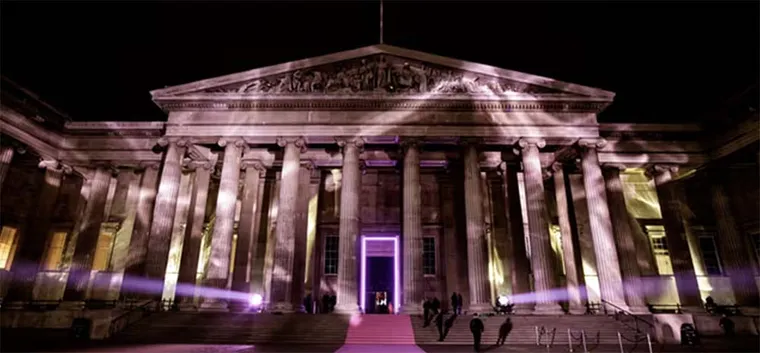
The British Museum will stage its second fundraising ball on 17 October, with proceeds directed towards its long-term masterplan, a capital programme estimated to cost at least £1bn.
The event follows last year’s Pink Ball, which raised a gross total of £2.5m, with more than £2m reported in net fundraising after costs. This year’s ticket price has increased from £2,000 to £3,500 per head, including a donation element. The ball will take place during Frieze Week, positioning it within one of London’s busiest periods for collectors, cultural leaders, patrons and international art market activity.
For museums, galleries and cultural venues, the event illustrates the growing importance of high-value fundraising formats in supporting major capital works. Large institutions are increasingly using gala events not only to raise funds but also to build relationships with private donors, sponsors and cultural stakeholders able to support long-term projects.
The British Museum’s masterplan includes a significant reworking of the Western range, new welcome pavilions and an energy centre intended to reduce the museum’s carbon footprint. These works sit within a broader need for major heritage institutions to improve visitor infrastructure, operational efficiency and environmental performance while retaining access to historically important collections.
Es Devlin Leads Creative Direction
Designer Es Devlin has been appointed artistic director for this year’s ball. Devlin is known for large-scale installations and has built an international profile across art, performance and cultural design.
Her involvement gives the event a strong creative identity and supports the museum’s ambition to position the ball as a cultural production as well as a fundraising dinner. For institutions running major development campaigns, this distinction is important. A gala of this scale must provide a high-level donor experience while remaining clearly connected to the institution’s mission and future plans.
The 2026 ball will use red as its theme and visual identity. The museum has linked the colour to early human artistic expression and to three forthcoming displays: the Bayeux Tapestry exhibition, Declaring Independence: USA 250, and Korea. By connecting the event design to programming across the museum, the institution is giving the evening a curatorial framework rather than treating it as a standalone hospitality occasion.
Sponsorship And Patron Relationships




Hedge fund founder Igor Tulchinsky will serve as honorary chair for the evening, in recognition of his support for the museum. He has reportedly provided £5m in sponsorship for the forthcoming Bayeux Tapestry exhibition.
His role underlines the importance of major private benefactors in supporting high-profile cultural programming. For museums operating within large capital campaigns, these relationships can help fund exhibitions, public access initiatives and infrastructure priorities that are difficult to deliver through ticketing or public funding alone.
The timing of the ball during Frieze Week is also notable from a development perspective. It places the museum’s fundraising activity in front of a highly engaged art and culture audience already present in London, creating opportunities for relationship-building across philanthropy, collecting, sponsorship and international cultural networks.
Lessons From Last Year’s Event
The British Museum’s first fundraising ball attracted more than 800 guests, including political figures, artists and cultural supporters. It also brought reputational challenges, including a climate protest during a speech by chair of trustees George Osborne and criticism from Greece’s Ministry of Culture over the use of the Parthenon sculptures as a dining backdrop.
For venue operators and cultural institutions, these issues highlight the need for careful stakeholder planning around high-profile fundraising events. The choice of setting, guest experience, security, public messaging and ethical context can all affect how a gala is received beyond the room itself.
This year’s event will be closely watched across the sector. If delivered well, it could provide a significant contribution to the British Museum’s masterplan while offering a useful model for how major cultural institutions can combine fundraising, creative direction and capital campaign storytelling at scale.


