
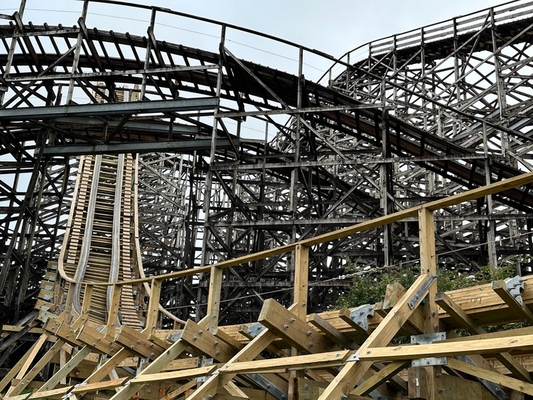
A new proposal has been launched to restore Oakwood Theme Park in Pembrokeshire, following its sudden closure earlier this year. Once a major draw in the UK’s leisure landscape, the 90-acre site now stands silent, but efforts are underway to reposition the park as a cornerstone of regional tourism and economic development.
The plan comes from a local entrepreneur operating under the banner of Richens Leisure Projects (RLP). Though details remain in early stages, the proposal outlines a phased investment strategy focused on reactivating the site’s core infrastructure, creating new employment opportunities, and re-establishing Oakwood as a nationally recognised leisure destination.
For operators, developers and investors across the attractions and regeneration sectors, this initiative presents an example of how legacy venues can be repositioned through local stewardship and community-driven enterprise.
Background: From Regional Powerhouse to Uncertain Future
Oakwood Theme Park first opened in 1987 and quickly became a household name in UK family entertainment. Attractions such as Speed, Wales’ fastest rollercoaster, and the wooden coaster Megafobia helped the park achieve annual visitor numbers in excess of 400,000 during its peak.
Despite significant investment from owner Aspro Parks, including a major refurbishment of Megafobia, the park saw a decline in attendance and financial performance in recent years. This culminated in its announcement in March 2025 that it would not reopen for the current season. The closure, while financially driven, was met with widespread disappointment from residents and regional tourism stakeholders.
New Proposal Focuses on Local Identity and Economic Impact
The initiative spearheaded by RLP seeks to move beyond sentiment, aiming instead to transform the site into a sustainable, community-oriented venture. At the heart of the plan is a phased capital strategy that would allow for both immediate remediation and longer-term development. Initial stages would prioritise operational readiness, while later phases could explore new rides, refreshed branding, and partnerships with regional tourism bodies.


Importantly, the plan includes projections for the creation of more than 100 seasonal jobs, offering a much-needed boost to local employment. For those involved in regional development and place-based investment, the Oakwood revival offers a case study in how disused attractions can be repositioned as economic engines for rural and semi-rural communities.
Awaiting Response from Current Operators
RLP has formally approached Aspro Parks with its proposal, though no public response has been issued. Aspro currently manages 68 attractions across Europe, and Oakwood’s closure appears to be an isolated decision rather than part of a broader strategy. Whether a transfer of ownership or public-private partnership emerges remains to be seen.
In the interim, the project illustrates how grassroots leadership can play a role in regenerating local infrastructure once deemed commercially unviable. The integration of community identity, tourism strategy and long-term planning reflects a shift in how leisure destinations are being imagined and financed in a post-pandemic landscape.
Reimagining Legacy Attractions for Modern Audiences
Oakwood’s potential rebirth underscores the relevance of adaptive reuse in the visitor experience sector. With a clear vision and operational plan in place, the site could again serve as a touchpoint for cultural pride, tourism growth and youth engagement.
For the wider industry, it signals that even well-worn destinations can be repositioned through local initiative, strategic investment and audience redefinition.


