
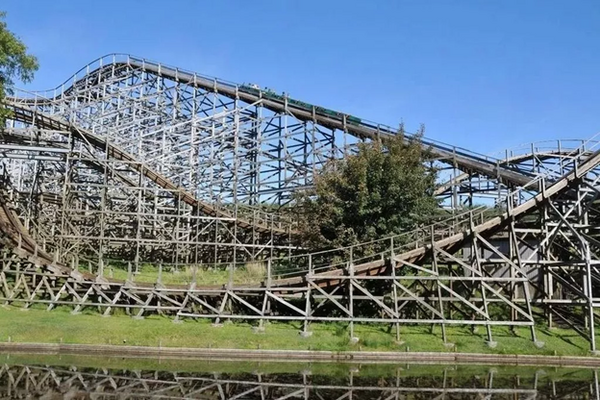
Oakwood Theme Park, one of Wales’ most well-known visitor attractions, has closed immediately after four decades in operation. The announcement was made by Aspro Parks, the park’s owner and operator, citing financial difficulties driven by rising operational costs and a sustained decline in visitor numbers.
Since acquiring Oakwood in 2008, Aspro Parks has invested over £25 million in the attraction. However, despite ongoing efforts to revitalise the site and maintain its appeal, sustaining operations in a competitive and evolving industry proved insurmountable.
Financial Pressures and Industry Challenges
The closure of Oakwood Theme Park reflects broader pressures within the attractions sector, where rising costs, shifting visitor trends, and operational constraints are reshaping the industry. The post-pandemic recovery has been uneven, with regional parks facing difficulties in attracting consistent footfall, particularly outside peak tourism periods.
The increasing maintenance, staffing, and energy cost has placed significant strain on many operators, particularly those managing legacy attractions with ageing infrastructure. In Oakwood’s case, the lack of long-term viability prompted Aspro Parks to redirect resources towards strengthening its remaining portfolio of attractions.
Aspro, which operates multiple European leisure destinations, including Blue Planet Aquarium in Cheshire, has indicated that elements of Oakwood’s operations will be integrated into its other attractions. This strategic move aims to reinforce the company’s wider offering while providing new opportunities for staff and resources previously dedicated to the Welsh park.
A Complex Legacy and Safety Challenges
Oakwood Theme Park has been prominent in the UK leisure industry since its opening, drawing generations of visitors. However, the park’s history has been marked by both successes and challenges, including a high-profile safety incident in 2004 that led to a reassessment of operational practices across the sector.



Following a fatal accident on the Hydro ride, Oakwood Leisure—before Aspro’s ownership—was found to have overlooked key safety procedures. Subsequent regulatory scrutiny and financial penalties underscored the industry’s importance of rigorous safety management. While the park continued to operate for many years after the incident, it remained a defining moment in its history.
Looking Ahead: Industry Implications
The closure of Oakwood Theme Park signals ongoing shifts within the UK’s theme park and attractions market. Consumer preferences are evolving, with increasing demand for immersive, high-tech experiences and destination-driven attractions that offer a blend of entertainment, hospitality, and retail.
For operators, the challenge remains in balancing investment with long-term sustainability, ensuring that traditional theme parks remain relevant in an increasingly experience-led economy. Larger parks with established international branding have maintained strong attendance figures, while regional parks face growing pressure to differentiate themselves in an evolving landscape.
With Aspro Parks refocusing its strategy on other sites, the industry will be watching closely to see how similar operators adapt to the shifting dynamics of visitor engagement. Oakwood’s closure highlights the importance of continued innovation, operational efficiency, and strategic investment in ensuring long-term viability in the competitive attractions sector.


