
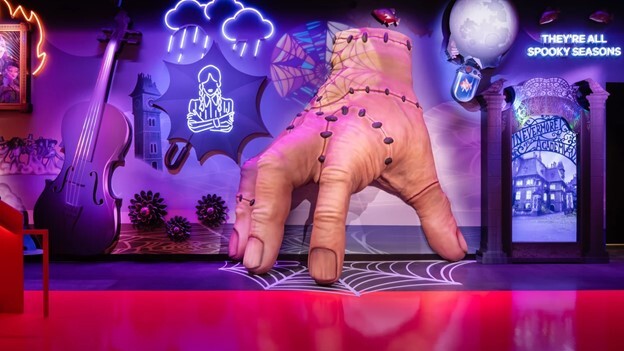
Netflix has opened its first permanent Netflix House at the King of Prussia shopping mall in Philadelphia, marking a significant shift in the company’s long-term entertainment strategy. The venue spans more than 100,000 square feet and delivers IP-based experiences drawn from the platform’s most recognisable series and films. For the global attractions sector, the launch represents one of the strongest signals to date that major streaming brands are investing in physical, revenue-generating visitor destinations.
The concept has been in development for several years, reflecting Netflix’s ongoing work to build deeper audience engagement beyond the screen. By anchoring the first venue in a major regional shopping destination, the company is also responding to wider trends in retail-anchored entertainment, which continue to redefine mall environments across the United States.
Multi-IP Environments Designed for High Repeatability
The Philadelphia venue incorporates a broad mix of interactive spaces, scenic environments and ticketed experiences built around fan-recognised worlds, including Stranger Things, Squid Game, One Piece, Bridgerton, WWE Raw, Is It Cake, Glass Onion and Wednesday. Entry to the venue is free, enabling high traffic flow and encouraging repeat local visitation.
Guests enter through the Red Envelope gateway, referencing Netflix’s original DVD by mail service, before moving into an atrium with rotating art installations and brand touchpoints. The design intentionally blends social media-friendly visual features with more structured encounter spaces.
For operators and designers, Netflix House demonstrates a modular, multi-IP approach that prioritises flexibility and ongoing content refresh cycles. This model allows Netflix to adapt the physical offer as titles rise or decline in popularity.
Food, Retail and Theatre Components Strengthen Commercial Model
In addition to exploratory environments, the venue includes a full-service restaurant, Netflix Bites, a merchandise shop and the Tudum Theater. The theatre provides opportunities for screenings, fan events and promotional engagements, giving Netflix both an operational asset and a marketing channel within the same footprint.
Ticketed experiences include Wednesday: Eve of the Outcasts, One Piece: Quest for the Devil Fruit, Netflix Virtuals and Top 9 Mini Golf. These attractions add a diversified revenue stream and support capacity management across high traffic days. For suppliers, the project signals demand for experiential formats that can accommodate themed games, mixed reality and physical challenge-based activities.




Local Integration and Regional Positioning
Netflix leadership highlighted the strategic importance of launching in a region known for strong community identity and cultural engagement. The Philadelphia venue features work by local creative partners, reinforcing the company’s stated intention to embed each location within its surrounding community. This approach reflects a broader industry movement toward tailoring global IP to local context rather than deploying a uniform international model.
By positioning Netflix House as a local entertainment destination rather than a one-off tourist site, the company is seeking long-term, repeat engagement from residents while still drawing interest from regional visitors.
A Multi-City Rollout with Broader Sector Implications
The Philadelphia opening is the first in a planned series of Netflix House venues. The second location is scheduled to open in Dallas on 11 December, followed by a third site in Las Vegas in 2027. With multiple markets now confirmed, Netflix House is moving firmly into the category of permanent, scalable LBE brands.
For the attractions and visitor experience sector, Netflix’s entry signals heightened competition in franchised immersive entertainment and a growing expectation that major media companies will maintain a physical presence within leisure destinations.
As Netflix House expands, operators, designers and suppliers will be watching closely to understand how the model balances content rotation, operational complexity and commercial performance across diverse markets.


