
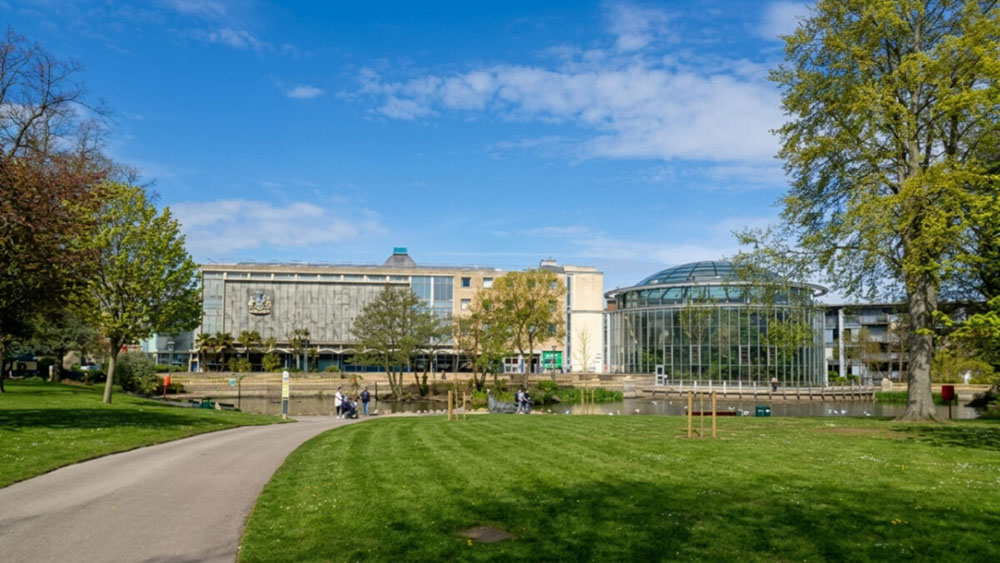
Bellrock Consulting has been appointed to project manage the £13.6 million refurbishment of Sunderland Museum & Winter Gardens, marking a significant step in the renewal of one of the city’s key cultural assets.
The programme is being delivered in partnership with Sunderland City Council and is supported by The National Lottery Heritage Fund, Arts Council England and The Wolfson Foundation. The venue is expected to reopen in December 2028 following a substantial programme of conservation, building works and visitor experience improvements.
For cultural operators, heritage consultants, exhibition designers and construction partners, the project underlines the complexity of upgrading historic museum assets while protecting collections, maintaining public value and preparing venues for future operational needs.
Sunderland Museum & Winter Gardens holds a collection of more than 108,000 artefacts, alongside the living botanical collection housed within the Winter Gardens. The scale and sensitivity of those assets will make project management central to delivery, particularly as works progress within a Grade II-listed building.
Complex Site Conditions Shape Project Delivery
Bellrock’s role will cover project management and cost consultancy support. The consultancy will oversee a scheme involving a building with multiple construction phases and methods, as well as the adjacent Winter Gardens structure and its distinctive glass dome.
The last major intervention at the site took place in the early 2000s, meaning the refurbishment will need to address the building fabric while introducing contemporary design updates to improve the museum’s offer. For project teams working in heritage environments, this type of brief requires careful sequencing, risk planning and coordination between construction, conservation and collections teams.
Bellrock associate director and lead project manager Leo Heath has noted that the building’s listed status, varied construction history and living botanical environment create a demanding delivery context. The museum collection will need to be prepared and protected during the works, while the Winter Gardens’ plants and glass structure will also require specialist consideration.
These requirements place the project within a growing category of cultural refurbishments where visitor experience improvements must be delivered alongside strict stewardship responsibilities. Upgrades cannot be treated as a standard capital works programme, because the building, collections and public role of the institution are all part of the asset being protected.



Funding Partners Support Long-Term Cultural Value
The involvement of The National Lottery Heritage Fund, Arts Council England and The Wolfson Foundation reflects the wider cultural importance of the project. Their support also points to the broader expectations attached to museum refurbishment schemes, which increasingly need to deliver access, resilience, interpretation and community benefit alongside physical renewal.
For Sunderland City Council, the refurbishment forms part of a wider commitment to culture, tourism and heritage in the city. Councillor Ciera Hudspith, cabinet member for culture, tourism and heritage, has said Bellrock’s project management and cost consultancy expertise will help protect the museum’s heritage while supporting the council’s long-term plans for the venue.
The temporary preparation of the collections will be a major operational phase in its own right. Moving, storing or protecting museum objects demands detailed planning, accurate documentation and coordination between curatorial and construction teams.
Lessons For Heritage And Museum Operators
The Sunderland Museum & Winter Gardens project offers a relevant case study for cultural venues planning major upgrades. It shows the importance of appointing specialist project leadership early, particularly where listed buildings, collections care, botanical assets and public funding requirements intersect.
For experience-sector suppliers, the scheme also highlights continued investment in regional museums as civic, cultural and tourism assets. As audience expectations change, museums are under pressure to improve access, interpretation and comfort while retaining the qualities that make historic venues distinctive.
With reopening planned for December 2028, the project will be closely watched by museum and heritage professionals seeking practical models for managing complex refurbishments in live cultural contexts.


