
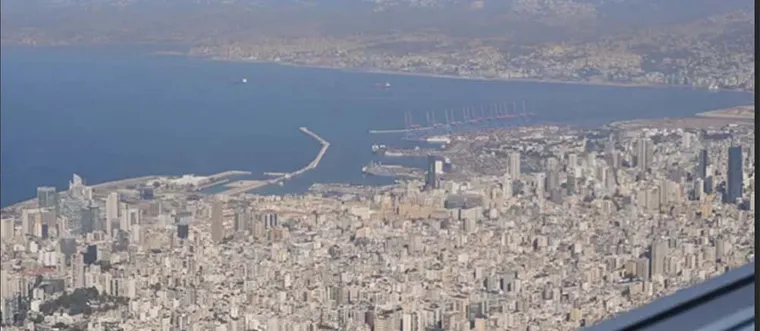
Beirut is using cultural heritage and creative industry development as central tools in its urban recovery, following decades of conflict, economic instability and the impact of the 2020 port explosion.
The city’s regeneration efforts increasingly focus on restoring historic buildings, supporting cultural production and rebuilding community confidence. For the visitor experience and cultural development sectors, Beirut provides a strong example of how heritage-led renewal can support place identity and economic resilience.
Heritage Conservation As Urban Recovery
The Beirut Heritage Initiative was created after the port explosion to respond to damage across buildings of architectural, historic and cultural importance.
Its work reflects a growing recognition that heritage protection is not separate from urban recovery. In Beirut, restored buildings help preserve the city’s identity while supporting local pride, neighbourhood stability and future cultural activity.
For heritage consultants, museum professionals and urban planners, the approach shows how conservation can address physical loss and wider social vulnerability. Safeguarding historic architecture also protects the layered identity of a city shaped by diverse communities, traditions and periods of change.
Creative Industries Support Local Renewal
Creative economy programmes are also playing a key role in Beirut’s recovery. The BERYT project, implemented by UN-Habitat with UNESCO oversight of its cultural and creative industries work, has supported grants across several cultural fields.
This investment has helped small businesses, artists and marginalised groups contribute to neighbourhood renewal. For the B2B visitor experience sector, the model underlines the value of linking cultural production with urban development.


Creative industries can support employment, skills development, community programming and future tourism activity. In cities recovering from crisis, these sectors also help maintain cultural continuity while creating practical economic opportunities.
Adaptive Planning For A Multicultural Capital
Beirut’s city centre reflects a complex multicultural identity, making regeneration especially sensitive. Adaptive planning is therefore central to long-term recovery.
This means designing socio-cultural infrastructure that responds to different communities, protects heritage and supports quality of life. For developers and destination planners, Beirut highlights the importance of regeneration strategies shaped by local needs rather than purely commercial outcomes.
Lessons For The Experience Economy
Beirut’s recovery demonstrates how heritage, creativity and community participation can work together within a broader place-making strategy.
For organisations involved in cultural attractions, public realm projects, urban revitalisation and heritage interpretation, the city offers a valuable case study. Its progress shows that recovery is not limited to rebuilding structures. It also depends on restoring cultural confidence, supporting local enterprise and keeping the identity of the place visible within future development.


