
Wordsworth Grasmere, located in the Lake District and home to the iconic Dove Cottage, is leveraging immersive technologies and experiential storytelling as part of its strategy to secure a more sustainable future. With the heritage sector increasingly recognising the importance of digital innovation to engage contemporary audiences, the site has launched several new initiatives aimed at diversifying its offer and strengthening its appeal to a broader demographic.
As competition intensifies across the visitor experience sector, heritage organisations are pressured to modernise their engagement strategies while remaining sensitive to their historical narratives. Wordsworth Grasmere’s approach exemplifies how such institutions can successfully integrate digital experiences to create meaningful connections between historic content and new visitor behaviours.
Digital Experiences Supporting Interpretation And Learning
A key addition to the site’s offer is the launch of a bespoke Minecraft experience, developed in collaboration with Lancaster University. Titled Litcraft, the game aims to engage younger visitors by using interactive play to interpret the Cumbrian landscapes that inspired Wordsworth’s works. Activities within the game, such as virtual ice skating on a frozen Grasmere lake and building treehouses, introduce new audiences to the poet’s world through familiar digital platforms.
Complementing this is the introduction of a location-based walking app, Dorothy Wordsworth Walks. This app provides walkers in the Grasmere and Rydal areas with video and audio content linked to the Wordsworth siblings’ writings and their lived experiences of the local landscape. By using mobile technology to provide layered storytelling, the app encourages exploration while deepening understanding of the site’s literary connections.
Enhancing On-Site Immersion Through Multi-Sensory Installations
Within the historic Dove Cottage itself, a newly installed audio experience now recreates authentic domestic sounds from the early 19th century, including quill pens in motion, fires crackling, and distant carriage traffic. This sensory interpretation aims to immerse visitors in the poet’s day-to-day life, enhancing emotional connection and enriching the visitor journey.
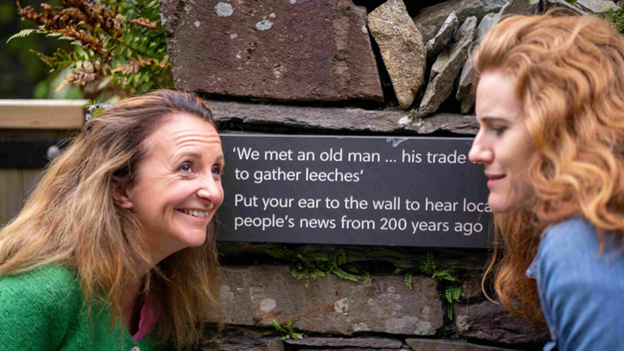
The museum’s exhibition spaces have also been reimagined with bespoke soundscapes, including a listening wall offering whispered poetry and ambient nature sounds, providing visitors with a deeper, more personal engagement with Wordsworth’s writings and the surrounding landscape.





These installations demonstrate how sensory technologies can be utilised within heritage contexts to bridge gaps between historic content and contemporary visitor expectations. This ensures that traditional literary heritage resonates within today’s competitive experience economy.
Diversifying Income Streams And Supporting Local Economies
Alongside the digital and interpretive developments, the site has refurbished its café space, now offering a menu centred on local produce and Cumbrian products. The café is accessible to both ticketed and non-ticketed visitors, supporting additional income streams beyond core admissions while contributing to the local supply chain.
This reflects a growing trend among heritage attractions to adopt more flexible operational models, blending cultural programming with food and retail offers that extend dwell time and increase secondary spend. For operators and heritage managers, Wordsworth Grasmere’s approach presents an example of how diversification can underpin financial resilience.
Building Towards A Sustainable Future For Heritage Attractions
Managed by the Wordsworth Trust, which has been stewarding Dove Cottage since 1891, the site’s latest initiatives underline the charity’s commitment to ensuring relevance, sustainability, and accessibility. By embracing immersive technologies and multi-sensory storytelling, Wordsworth Grasmere is positioning itself as a forward-looking heritage attraction, aligned with evolving visitor behaviours and sector best practice.


