
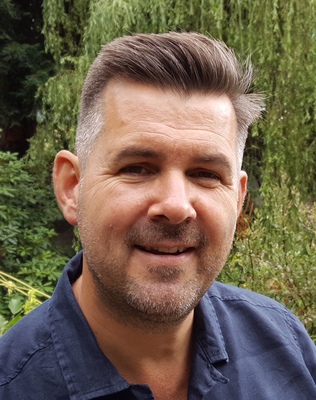
Stephen Richards, Head of Business Development at ClickNetherfield, has over ten years’ experience of working in overseas markets. Experience UK spoke to him about the advice he would give to UK businesses wanting to do business abroad.
Experience UK (EXUK): What is the most important thing any UK business wishing to trade overseas should do?
Stephen Richards (SR): Without question, the single most important thing is to understand the market and the culture of the country you wish to trade in. However, this takes a significant investment of time and perhaps a better solution for success overseas is creating partnerships. Having someone in the other country that knows the market and the culture well and values your expertise is important. The right partner will have connections in the place that will help to create opportunities for you to engage with potential clients and start to win work.
EXUK How do you find such people and make the right connections?
SR: There are various ways to start but one of the easiest is to engage with DIT (Department for International Trade). Its vast global network is a very effective solution as it automatically gives you access to potential partners and customers who can help you maximise business opportunities in the countries you want to target.
There are also a lot of opportunities to tender for projects abroad, if you know where to look. Many national and regional authorities around the world publicise tenders and other opportunities on their websites. You can usually register to receive details of these opportunities from the country you are interested in working in. There are also privately run sites that do the same thing but charge a subscription fee. These often provide specialist sector information that relates to a number of countries or regions.
Meeting and talking to people overseas helps to build awareness too; but find out who you want to target before you go. If your company is good at what it does and is known within your industry, then publicise your achievements so overseas customers will know who you are.
The key thing to remember is that there isn’t only one way to do things – you need to cover a wide range of entry points and solutions.
EXUK: What are the dangers and pitfalls of working in other countries?




SR: The biggest mistake you can make is not having local knowledge. Without it, you may make assumptions about certain things that may turn out to be wrong. This could be assumptions about contracts, legalities, solutions to problems, culture, behaviour, and the right way to approach a project – literally anything!
EXUK: Do you think there is anything that could be done to make the process of trading abroad easier?
SR: Recently the government and DIT have been helping with finance solutions which has enabled UK businesses to engage with some international tender payment terms that they previously wouldn’t have had the financial backing to do so.
The best way to make things easier for yourself is to be armed with information and talk to people who can help you move forward.
EXUK: What changes do you anticipate in the overseas market?
SR: The markets are always changing and unfortunately no-one has a crystal ball; the crucial thing is to always be ready for change as best you can. Make sure you are equipped to be responsive and have some level of flexibility. If possible, don’t put all your eggs in one basket – try to have a wide network of customers and contacts in different countries.
EXUK What impact do you think Brexit will have on things?
SR: This is a good example of unpredictable change but my guess is Europe will still remain an important market to compete for work; as will North America, the Middle East, Asia, the Far East and the many other parts of the world as globalisation develops further.


