
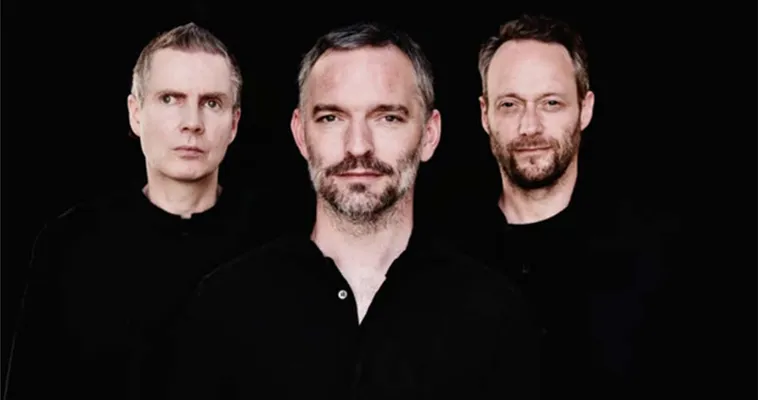
Sigur Rós will present ÁRA, a new multi-sensory listening experience at The Schwarzman Centre in Oxford from 26 June to 19 July 2026, bringing together music, spatial audio, lighting, scent and academic research.
The project has been developed with the lead of John Best and David Sheppard, who are spatial audio specialists Loss><Gain, alongside Oxford University’s Dr Finn Moore Gerety and Professor Morten Kringelbach. Together, the team is exploring how deep listening can influence thought, perception and wellbeing.
ÁRA will use live recordings from Sigur Rós’ orchestral world tour within a custom spatial-audio setting. Lighting design will be provided by Matt Daw, while ambient scent will come from Fischersund, the perfume brand founded by Sigur Rós frontman Jónsi.
Deep Listening As An Immersive Format
For venue operators, producers and experience designers, ÁRA reflects the growing role of listening-led formats within immersive programming.
While many immersive productions are built around large-scale visual content, this project places sound at the centre of the audience experience. Spatial audio will allow recordings to move through the environment, creating a format where music is experienced as a physical and emotional presence rather than a standard playback session.
This approach is particularly relevant for cultural venues seeking new uses for flexible performance spaces. It shows how recorded music, sensory design and academic research can be combined to create a distinctive visitor format with artistic, commercial and wellbeing-related potential.
Collaboration Between Artists And Researchers
The involvement of Oxford University gives ÁRA a notable research dimension. Professor Kringelbach, who is Professor of Neuroscience at Oxford and Director of the Centre for Eudaimonia and Human Flourishing at Linacre College, is working with Dr Gerety and the wider creative team to study the effects of deep listening.




The project will examine how immersive listening environments may support shifts in audience state and longer-term wellbeing outcomes. For the wider visitor experience sector, this points to growing interest in evidence-led design, particularly where cultural programming overlaps with health, reflection and emotional response.
As venues and producers look for formats that offer depth as well as audience appeal, collaborations between artists, technologists and researchers are becoming increasingly valuable. ÁRA provides a clear example of how academic insight can sit alongside creative production from the start of a project.
Multi-Sensory Design For Cultural Venues
ÁRA also highlights the importance of sensory layering in contemporary experience design. The combination of orchestral recordings, spatial sound, lighting and scent creates a controlled environment where each element supports the overall listening journey.
For creative agencies and attraction designers, the use of scent is especially significant. It shows how non-visual sensory cues can help define mood, memory and atmosphere within a live environment.
The selection of The Schwarzman Centre also places the project within a setting associated with interdisciplinary cultural activity. For Oxford, ÁRA offers a high-profile example of how academic institutions can host public-facing experiences that connect research, performance and creative technology.
For the international visitor experience sector, the project will be one to watch. It suggests a future in which immersive listening, neuroscience and multi-sensory design play a stronger role in cultural programming, venue strategy and audience engagement.


