
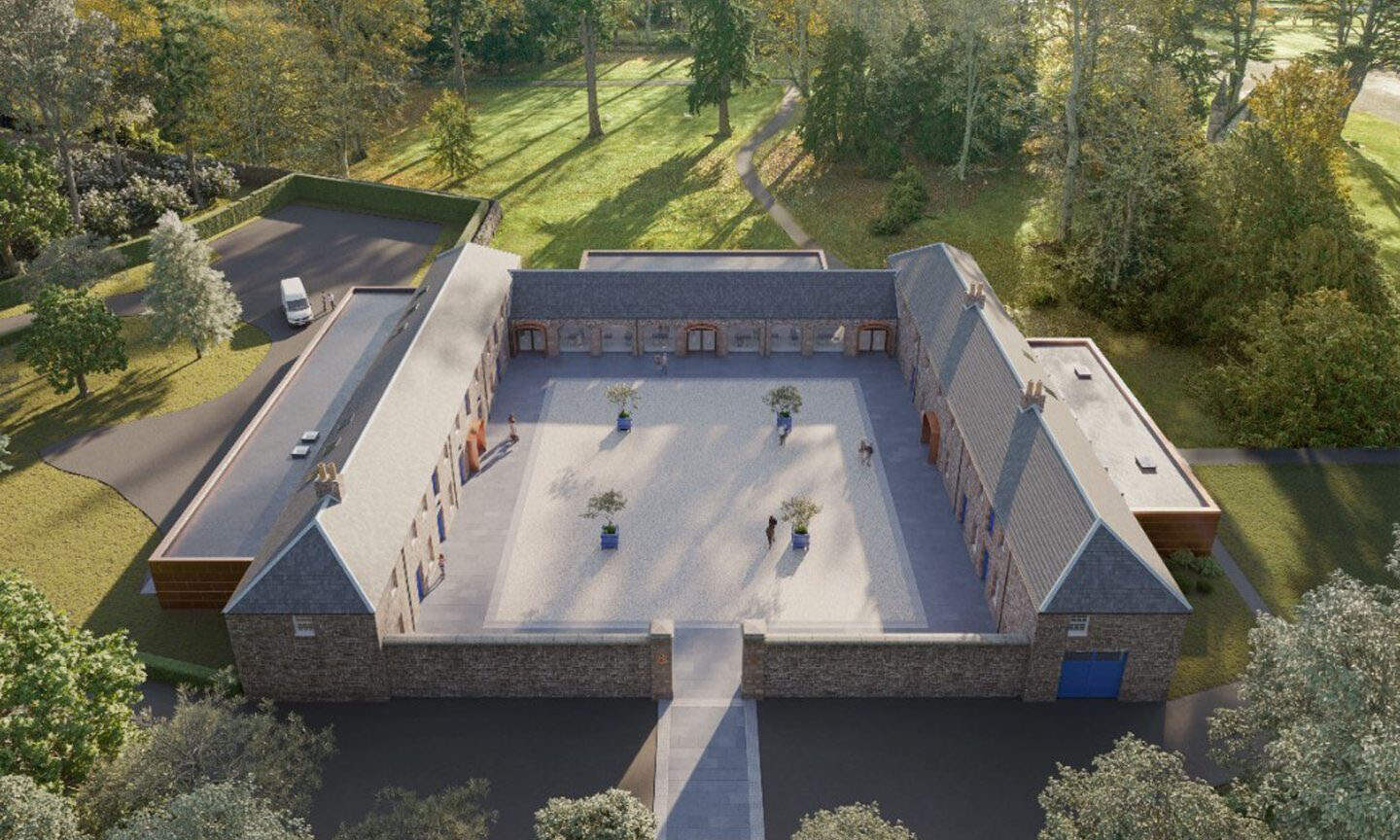
Scone Palace has secured full planning approval for a £10m transformation of its former stable block into a new visitor centre, café, shop and ticket office.
The project has been approved by Perth and Kinross Council and follows outline consent granted last year. While a construction start date has not yet been confirmed, the approval gives the estate a five-year window to begin work.
For heritage operators, destination planners and cultural attraction consultants, the development is significant because it focuses on the operational infrastructure that supports a major visitor destination. The project is not centred on a new exhibition alone. It addresses arrival, parking, retail, food and beverage, ticketing and family engagement, all of which affect commercial performance and visitor flow.
Former Stables To Gain A New Role
The plans will convert Scone Palace’s former stables, a category B-listed building, into a modern visitor-facing facility. The scheme will also include a 249-space car park and a Pictish-themed play area, strengthening the estate’s ability to support a broader mix of visitors and events.
The new centre will be accessed through an entrance connected to the Cross Tay Link Road. This is an important part of the project’s wider placemaking and transport role, as improved access can help reduce friction on arrival and support larger visitor volumes during peak periods.
At a 2025 planning meeting, Lord Stormont positioned the scheme as a long-term investment intended to help Scone Palace compete with leading Scottish visitor attractions and complement Perth Museum. He also indicated that the project would be delivered in phases.
Planning Conditions Reflect Heritage Context
As with many developments involving listed buildings and historic estates, the approval comes with conditions. Perth and Kinross Council has said that a phasing plan must be submitted and archaeological monitoring must take place during works.
These requirements underline the complexity of heritage infrastructure projects. Operators must balance commercial growth with conservation, archaeology, access, servicing and local planning expectations. For suppliers and consultants, this creates demand for specialist skills across heritage architecture, interpretation, construction planning, landscape design and visitor operations.
The use of the former stable block also reflects a wider trend in the sector. Historic estates are increasingly repurposing ancillary buildings to support modern visitor services, allowing core heritage assets to remain protected while improving the wider site experience.




Wider Estate Strategy Supports Tourism Growth
The visitor centre approval sits within a broader pattern of investment and activity at Scone Palace. Earlier this month, the estate also received listed building consent to convert a former caretaker’s apartment into a two-bedroom guest suite for short-term stays.
The palace grounds already support a wide event calendar, including the Scottish Game Fair, open-air screenings and international horse trials. These activities help broaden income beyond standard admissions and give the estate a stronger role in Perthshire’s visitor economy.
A new visitor centre can support that strategy by creating better facilities for event audiences, day visitors and group business. Improved catering, retail and ticketing can also increase secondary spend and help the site manage seasonal peaks more effectively.
Relevance For Heritage Attraction Operators
Scone Palace’s £10m project highlights the importance of front-of-house infrastructure in heritage destination planning. While collections, architecture and historic setting remain central to the appeal of such sites, commercial resilience often depends on the quality of arrival, orientation, hospitality and retail.
For Experience UK’s audience, the project offers a useful example of how a historic estate can invest in visitor services while working within listed building constraints. The combination of adaptive reuse, improved access, family play provision and phased delivery points to a practical model for long-term growth.
As the project moves towards construction, it will be closely watched by heritage venues seeking to modernise their offer without losing the character and authenticity that define their appeal.


