
The Royal Shakespeare Company has added its support to Puy du Fou’s proposed £600m history-led theme park in Oxfordshire, giving further cultural weight to one of the UK’s most closely watched visitor attraction proposals.
The French operator submitted plans to Cherwell District Council last year for a major site north of Bicester. If approved, the development would open in phases from 2029 and is expected to create around 2,000 jobs. Puy du Fou has projected that the attraction could receive up to 1.4 million visits annually once fully operational.
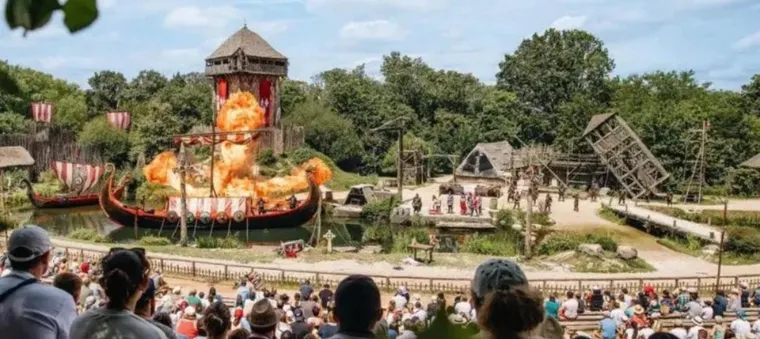
For the UK visitor experience sector, the proposal is significant because of its scale, subject matter and live entertainment-led model. Puy du Fou’s plans include four period villages and 13 live shows based on British history, positioning the development as a large-format heritage and performance destination rather than a ride-led park.
Relevance For The UK Visitor Economy
The RSC’s support reflects growing recognition of the role major attractions can play in regional economic development, tourism growth and participation in arts, culture and heritage. Its senior leadership has indicated that the project could attract new audiences to the region, generate economic activity and support the visitor economy across the Midlands and surrounding areas.
The company also pointed to the potential for cross-sector collaboration, particularly between cultural organisations, tourism bodies, hospitality operators and education providers. For B2B stakeholders, this is one of the most important aspects of the proposal. Large-scale attractions can create supply chain demand across design, production, technical systems, training, operations, food and beverage, retail, transport planning and destination marketing.
Puy du Fou’s operating model may also be of interest to UK experience professionals because it relies heavily on live performance, scenography, heritage interpretation and theatrical storytelling. This format connects with a broad network of specialist suppliers, from set designers and costume teams to show control, lighting, audio, guest movement and operational planning.
Support And Scrutiny Around The Proposal




The project has already received backing from several organisations across culture and tourism, including Blenheim Palace, VisitBritain, Equity and Experience Oxfordshire. Their support points to the perceived value of the scheme as a potential driver of inbound and domestic tourism, employment and regional profile.
At the same time, the plans have raised concerns locally. Some residents have questioned the potential impact on traffic, wildlife and infrastructure. A new forum has been formed to bring together representatives from Heyford Park and surrounding villages to discuss major schemes planned for the area, including the Puy du Fou proposal. Approved by Oxfordshire County Council, the group is focused on avoiding severe congestion as development activity increases.
For developers and operators, this underlines the importance of early stakeholder engagement, transport planning, ecological assessment and long-term community relations. Large destination projects are assessed not only on visitor numbers and economic output, but also on how they manage pressure on local services, roads and natural assets.
A Proven International Operator Enters The UK Planning Debate
Puy du Fou brings a long track record in history-based attractions. Its original park in Les Epesses, France, opened in 1978, followed by a Spanish site in Toledo in 2021. The proposed Oxfordshire development would mark a major UK entry for the operator and could introduce a distinctive European live-show model to the British attractions market.
With the RSC now adding its voice to the debate, the project has gained further endorsement from a major cultural institution. Attraction operators, experience designers, local authorities, and tourism bodies will closely follow the next stages of planning, seeking to understand how large-scale cultural destinations can be delivered in the UK while responding to local concerns and infrastructure demands.


