
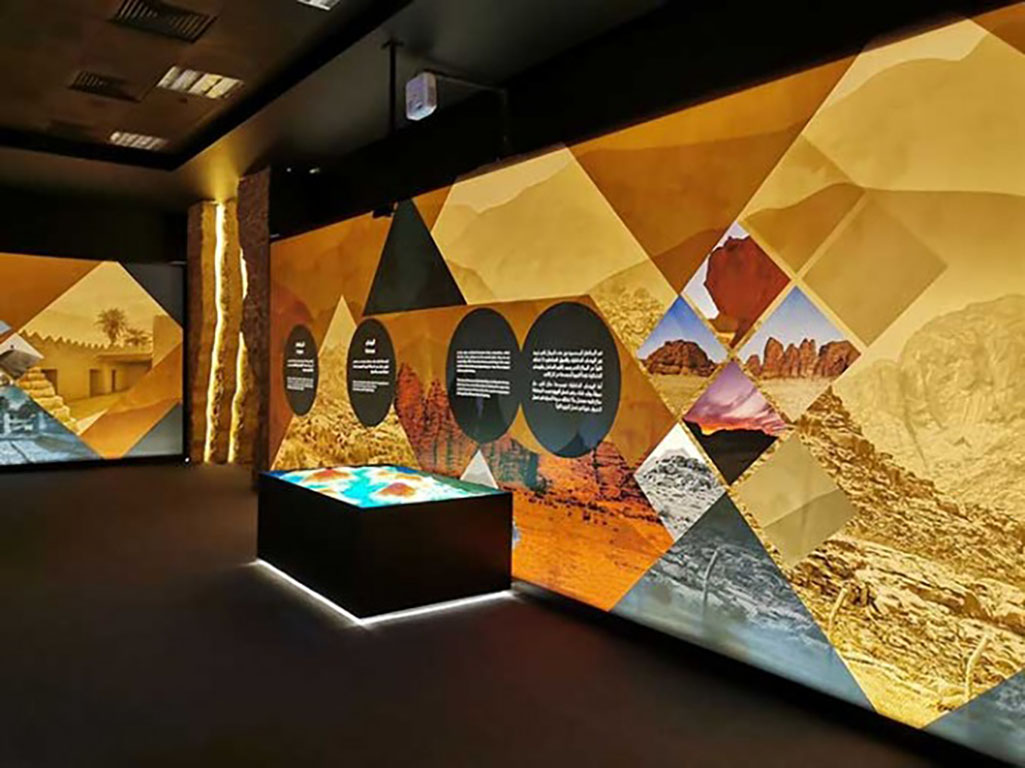
Museums are adapting to a visitor environment shaped by short-form content, constant digital stimulus and changing expectations around participation. For institutions built around static displays, text panels and passive observation, this presents a significant challenge.
Traditional interpretation remains important, but it can struggle to hold attention on its own, particularly when visitors are used to fast-moving digital formats. The issue is not simply one of entertainment. It affects how audiences absorb information, connect with collections and retain meaning after a visit.
For museum operators, exhibition designers and cultural technology suppliers, the response is increasingly focused on creating stronger links between objects, setting, story and audience participation. Immersive technologies are becoming an important part of that response, helping museums present complex histories and environments in a more immediate way.
From Observation To Participation
Anton Tertyshnyk, creative director of Lumotion Studio, argues that many traditional museum formats still rely on a familiar pattern: visitors read text, view objects behind glass and move on. His view is that museums now have an opportunity to bring visitors closer to the story, rather than only presenting information at a distance.
This shift is particularly relevant for heritage sites and history-focused exhibitions. Physical objects can show evidence of the past, but they cannot always communicate the scale of events, the atmosphere of a place or the human context around them. Large-scale projection, animation, spatial audio, virtual reality and cinematic content can add those missing layers.
When used carefully, these tools can help visitors understand why a collection matters. They can guide attention, support interpretation and create a stronger emotional connection with the subject.
Immersive Media As An Interpretation Tool
Lumotion Studio’s work has focused on interactive installations and digital content layers for museums and entertainment parks. Tertyshnyk sees immersive theatres and VR attractions as particularly useful formats for storytelling, especially when institutions need to communicate emotion, movement and atmosphere.
For B2B audiences, the value lies in using technology with purpose. Immersive media should not be added only for spectacle. It needs to serve the curatorial brief, support learning outcomes and fit the operational realities of the venue.



This requires close collaboration between curators, creative directors, AV specialists, software teams and front-of-house operators. Content must be accurate, accessible and durable enough for daily use. It also needs to work for different visitor groups, including schools, families, tourists and specialist audiences.
Flexible Formats For Existing Spaces
One practical advantage of immersive technology is that it does not always require large new buildings. Current projection, display, audio and control systems can support high-impact experiences within relatively compact areas.
This matters for museums and visitor attractions working with listed buildings, limited floor space or fixed gallery layouts. A small room can become an immersive theatre. A temporary gallery can host a projection-led story. A heritage site can add digital content without altering the underlying fabric.
For operators, this can improve the value of underused spaces and create new ticketed or programmed offers without requiring major structural change.
Synergy Between Objects And Digital Layers
The future of museum interpretation is unlikely to be digital in place of physical collections. The stronger model is one in which original objects remain central, supported by digital layers that add context, movement and narrative structure.
Objects provide authenticity. Interactive content invites participation. Immersive cinema can connect individual exhibits into a coherent visitor experience. For museums facing the attention challenge, this combined approach offers a practical path forward. It allows institutions to protect the authority of their collections while using modern tools to make stories clearer, more memorable and more engaging for today’s audiences.


