
Cape Town’s public art programme has delivered eight new projects across sports fields, libraries, parks and community facilities, using civic infrastructure as a platform for commissioned artwork and artist development.
The projects were commissioned through the City of Cape Town’s Arts and Culture Development Branch during the 2025/26 financial year. They involved eight lead artists and more than 20 emerging and assisting artists, creating a structured route for newer creatives to work on visible public commissions alongside experienced practitioners.
For organisations involved in place-making, cultural programming, urban renewal and public realm design, the programme offers a practical model for embedding art into everyday civic assets. Rather than limiting public art to major plazas or cultural districts, the city has used facilities already connected to local life, including sports grounds, libraries and neighbourhood parks.
Community Identity Through Site-Specific Work
Several commissions focused on sport, youth activity and community identity. At Gordon’s Bay Sportsfield, artists Angelo Waterloo, Marquin van Aarde and Xolisile Sitwayi created a mural recognising the role of recreational spaces in supporting local connection.
At Gustrouw Sportsfield in Strand, Waterloo worked with Sydney Shem Lewis and Patricia Abrahams on a mural shaped around youth development, sporting culture and community links. These projects show how visual interventions can give recreational infrastructure a stronger civic presence, supporting pride of place while improving the character of frequently used facilities.
At Blackheath Community Hall, lead artist Rizah Potgieter, also known as Prefix66, worked with Nathan Jason and Quinton Doman on a mural informed by local voices, memories and identity. The project was followed by an activation programme that brought residents into the creative process, giving the work a participatory role beyond its finished surface.
Biodiversity And Heritage In The Public Realm
Environmental themes formed another major strand of the programme. At Virginia Park in Gardens, artists Zeenat Isaacs, Thakier Adams, Charlene Bruiners, Nadine Apollis and Zain Mosaval explored biodiversity and the relationship between people and nature.




Kloof Street Park also placed biodiversity at the centre of its visual identity, with Potgieter, Cherry Lee Harris and Shalane-Rae Cloete creating work focused on indigenous birds, plants and urban ecology. For public space managers and cultural planners, these commissions demonstrate how art can support environmental interpretation in accessible civic settings.
In Bryant Street Park, Bo-Kaap, Isaacs worked with Abdul Malik and Muaath Omar on a mural reflecting the area’s cultural and religious character. Themes of coexistence, resilience and shared respect shaped the work, giving the neighbourhood’s identity a stronger presence within a public setting.
Lessons For Cultural And Urban Development Teams
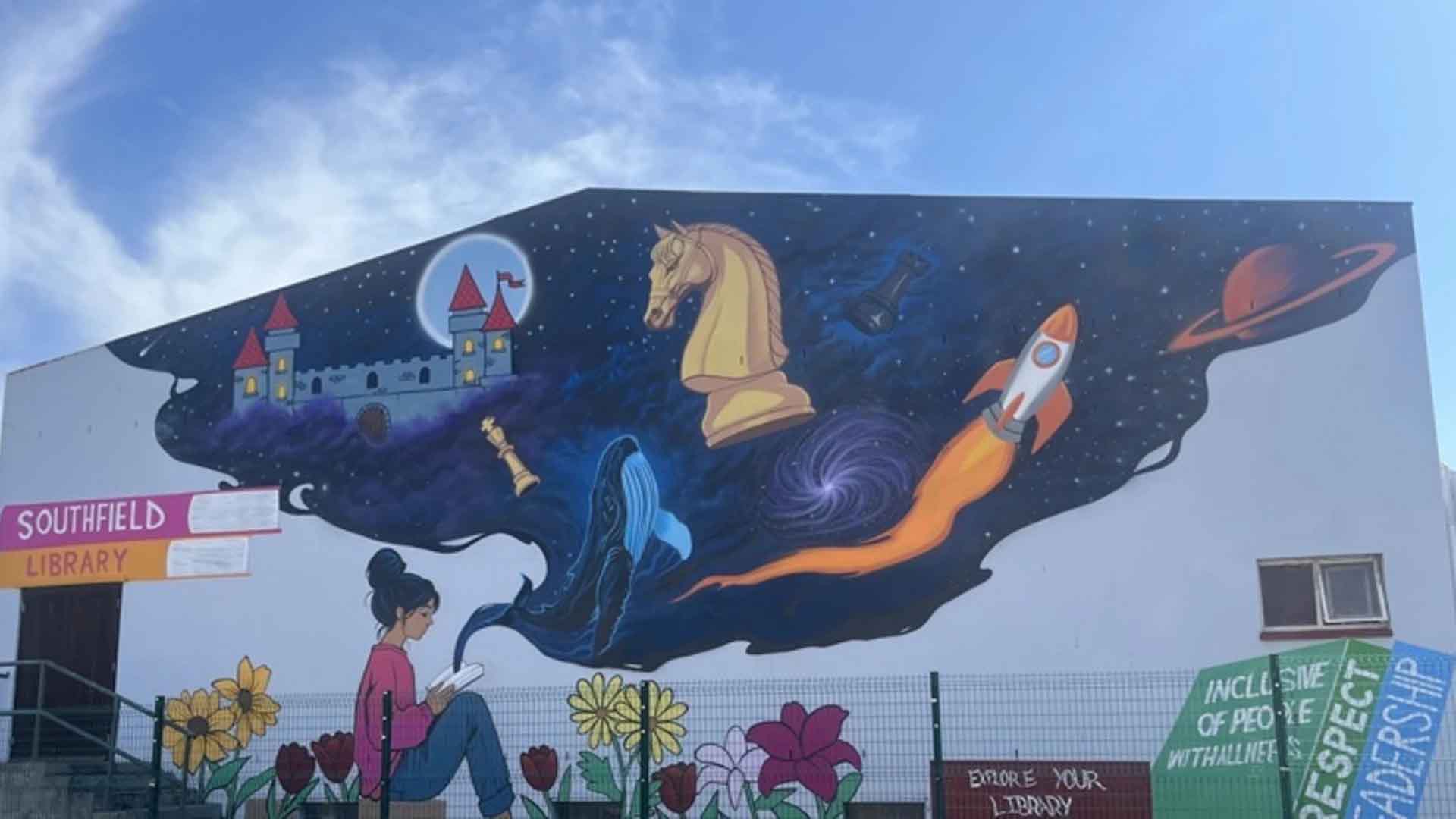
The programme also extended into library environments. Southfield Library received artwork linked to reading, coding, chess, music, drama, art and community programming, led by Potgieter with Willow Wicomb, Wesley Segers, Alicia Langley, Léa Nomodoe, Xara Heuvel and Tazneem Newman.
At Sir Lowry’s Pass Library, the programme delivered its first commissioned community mosaic. Lead artist Kerry Atherstone worked with Charlie Vettori and emerging artists Shannon Davids, Johen Adendorf and Iman Daniels on a large-scale facade piece reflecting local people, natural surroundings and area identity.
For the visitor experience and public art sectors, Cape Town’s programme highlights the value of paid artist pathways, community co-design and site-responsive visual storytelling. It also shows how relatively ordinary civic facilities can gain stronger identity through targeted cultural investment.
Councillor Francine Higham has credited the participating artists and communities for shaping the work. From a B2B perspective, the wider lesson is clear: public art can support local identity, creative sector development and place value when commissioning is structured around both professional delivery and community input.


