
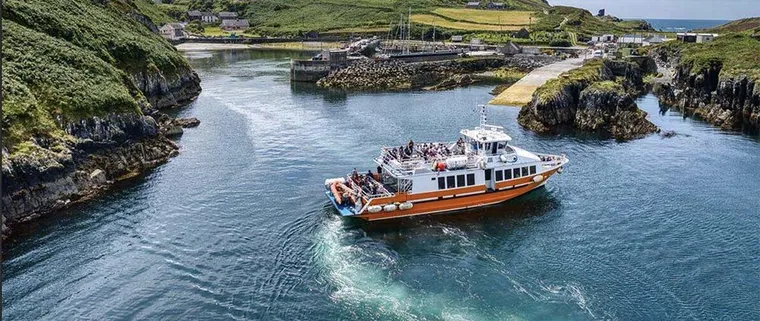
Work has started on Inis, a new €1m indoor visitor attraction on Oileán Cléire, also known as Cape Clear Island, in County Cork.
The project is being developed through a partnership between Fáilte Ireland and Údarás na Gaeltachta, working with Comharchumann Chléire Teo, the island’s community-led development company. Scheduled to open in 2027, Inis is being planned as an all-weather cultural experience that can support tourism beyond the traditional peak season.
For destination developers, cultural attraction operators and public-sector tourism bodies, the project offers a strong example of place-based investment in a remote island setting. Its focus on year-round operation is particularly significant, as seasonal patterns often create challenges for smaller communities that depend on visitor income for part of the year.
By creating a permanent indoor experience, Cape Clear will gain a central visitor asset that can support interpretation, orientation and wider dispersal across the island.
A Gateway To Cape Clear’s Story
Inis will present the history, culture and maritime heritage of Oileán Cléire, drawing together the island’s ancient past, seafaring traditions and contemporary community life. The visitor experience will also place emphasis on Fastnet Lighthouse, one of Ireland’s best-known maritime landmarks and a key reference point in the waters off West Cork.
The name Inis carries a dual meaning. It refers to the Irish word for island, while also suggesting the act of telling or sharing a story. This gives the project a clear interpretive foundation, placing narrative, identity and local voice at the centre of the experience.
For heritage professionals, the project highlights the importance of community-led content in destination development. Remote sites can offer powerful visitor appeal, but long-term value depends on interpretation that is rooted in local knowledge, language and lived experience.
Inis is expected to act as an introduction to the island before visitors continue to its archaeological sites, natural settings and cultural points of interest. This orientation role is valuable from an operational perspective, helping to manage visitor flow while encouraging deeper engagement with the wider destination.
Supporting Gaeltacht Culture And Community




Oileán Cléire is Ireland’s southernmost inhabited island and one of the country’s recognised Gaeltacht communities. Irish remains central to daily life, giving the island a distinctive cultural identity within Ireland’s visitor economy.
The new attraction is being designed to reflect this identity and provide a platform for the island’s language, traditions and community stories. For tourism planners, this approach underlines the value of cultural authenticity when developing visitor infrastructure in sensitive locations.
The involvement of Údarás na Gaeltachta and Comharchumann Chléire Teo is particularly important. Their participation helps connect the project to wider community development priorities, rather than treating tourism as a standalone commercial activity.
This model may be relevant to other rural, island and heritage destinations seeking to balance tourism growth with cultural continuity. It shows how visitor attractions can support local pride, interpretation and economic activity when developed through appropriate partnerships.
Part Of West Cork Destination Development
Inis is being delivered as part of the West Cork Destination and Experience Development Plan, placing it within a wider strategy for the region’s visitor economy. Once open, it is expected to become a significant new addition to Cork’s tourism offer.
For the broader visitor experience industry, the project demonstrates how smaller-scale investment can have a strategic impact when matched to local assets and destination needs. At €1m, Inis is modest compared with major urban attractions, yet its potential value lies in season extension, community benefit and stronger destination storytelling.
As work progresses towards the 2027 opening, Inis will be a project of interest for operators and public agencies looking at how all-weather cultural attractions can support remote destinations while respecting language, heritage and environment.


