
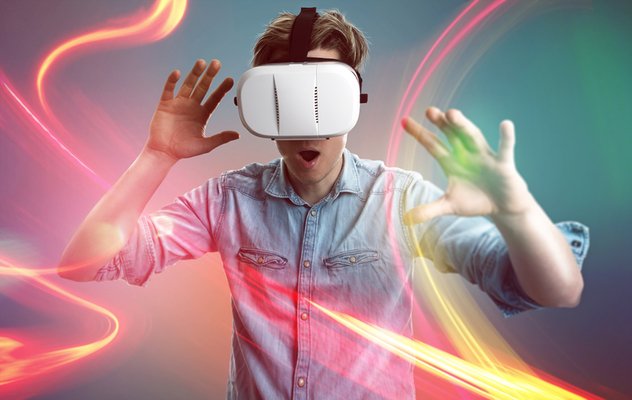
Harnessing the benefits of technology, Tourism Northern Ireland has inaugurated a capital funding drive to develop Immersive Technology in a bid to boost tourism. The use of virtual reality will be made to provide immersive and engrossing experiences of historical accounts for tourists exploring historical sites. This will help to create the most authentic experience by taking tourists back into time so that they can relive the history of the destination. Tourists are increasingly looking for memorable and compelling experiences while touring historic destinations. Tourism NI is hoping that this high-tech manoeuvre will encourage tourists to increase spending and prolong their stay.
Tourism NI has expressed its ambition to double tourism by 2030. Technology is increasingly being used to boost tourism which is already one of the fastest growing industries worldwide.
The Enhancing Visitors Experiences through Immersive Technology Programme has been launched to achieve these objectives.
Rosemarie McHugh, who is Tourism NI Director of Product Development, stated that the tourism board is seeking innovative means to create dramatic and historically authentic experiences for tourists. In addition to expressing optimism and excitement, she also mentioned that development is underway to realize these novel solutions. To achieve this end, Tourism NI conducted 2 competitions in Augmented Reality over the course of two years. She expressed tourism NI’s willingness to foster technology-based partnerships and said that the competitions will greatly help in this direction.
The programme is currently accepting applications until the deadline on Monday, the 3rd of December, 2018. Funding applications can only be submitted online.
Where Immersive Technologies are Heading
Accord Marketing has revealed that virtual reality is making a strong impact on tourism worldwide. It said that 12% of tourists previewed their destinations by using virtual reality headsets. The use of virtual reality previews was even higher for luxury travellers (27%) and luxury big-ticket holidaymakers.




Other technologies are coming to the fore such as 360-video technologies which provide full scenic vistas simply by allowing users to rotate their heads. These technologies have already been employed by Facebook and YouTube, providing 360-degree panoramas during live streams.
In theory, immersive technologies look good, but is there evidence to prove that these technologies motivate viewers?
Google recently partnered with Columbia Sportswear to verify the efficacy of 360 videos. They created two ads: one in the standard format and the other in 360 degree view. The results were very muh in favour of the immersive 360-video format. The 360-videos encouraged viewers to watch more and motivated them to share and subscribe more.


