
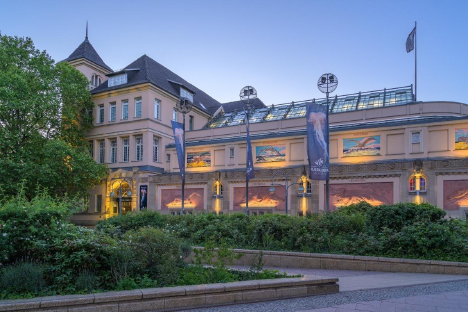
Aquarium Berlin has completed a €10.3m renewal programme, bringing the 113-year-old zoological attraction up to current standards for animal care, visitor access and interpretation while preserving the character of its listed building.
The attraction marked completion of the three-year project on 18 August, the same date it first opened in 1913. The programme covered visitor facilities, accessibility, habitat upgrades, interpretation and technical works across the building.
The site covers around 8,100sq m, with approximately 2,200sq m open to visitors. Work began in June 2023 and was delivered floor by floor, allowing much of the aquarium to remain operational during the project.
For zoo, aquarium and heritage attraction operators, the Berlin scheme offers a practical example of phased renewal in a protected building. It shows how established animal attractions can invest in welfare, education and visitor flow without removing the historic setting that forms a key part of their identity.
Conservation Challenges In A Listed Building
One of the most technically demanding parts of the project was the restoration of the large circular aquarium on the ground floor. Several tonnes of artificial rockwork had to be removed before the project team could assess the condition of the structure.
The tank holds over 110,000 litres of water, with acrylic viewing panels measuring 14cm thick and weighing up to two tonnes each. Restoring infrastructure of this scale within a historic attraction requires careful coordination between zoological teams, engineers, conservation specialists and visitor operations staff.
The wider programme also included refurbished and redesigned aquariums and terrariums, upgraded animal habitats and a new lift to improve access. These works point to a key issue for older zoological attractions, as operators must meet rising expectations around accessibility, technical resilience, welfare standards and public learning while working within the constraints of heritage fabric.
Zoo and Tierpark Director Andreas Knieriem has described the project as a careful modernisation that protects the building’s distinctive atmosphere. That balance will be relevant to many operators managing historic cultural and zoological assets across Europe.




Interactive Interpretation And Education
Aquarium Berlin has also made substantial changes to its educational offer. Nine interactive learning tables now combine physical and digital content, covering subjects including the water cycle, marine conservation, deep-sea environments, fish, reptiles, snakes, invasive species, amphibians and insects.
Animation is used to explain topics such as microplastics and the role of water as a natural resource. Large-scale graphics also support interpretation around corals, jellyfish, reptiles, illegal wildlife trade and invasive species.
For experience designers and interpretation specialists, the project reflects a wider shift in zoological attractions towards clearer, layered education. The aim is not only to display species, but to explain ecological systems, conservation pressures and human impact through formats that are accessible to varied audiences.
Animal Collection And Public Funding
The renewed facilities have allowed Aquarium Berlin to introduce several species, including inland taipan, Burmese star tortoises, narrow-headed softshell turtles, Gaboon viper and Aruba rattlesnake. These additions sit within the attraction’s existing journey from aquatic habitats on the ground floor to reptiles, amphibians and insects on the upper levels.
The State of Berlin contributed €2.7m through regional economic development funding, with Zoo Berlin funding most of the €10.3m project from its own resources.
For the wider visitor experience sector, Aquarium Berlin’s reopening underlines the value of long-term investment in legacy attractions. By pairing infrastructure renewal with stronger interpretation and improved access, the project gives one of Europe’s oldest aquarium buildings a more resilient operating model for the years ahead.


